

A home inspection gives buyers in New Bern a clearer picture of a property’s condition before closing, from roofing and HVAC performance to moisture issues that can matter in coastal North Carolina. Understanding what inspectors review, what happens after the report arrives, and how to respond to findings can help you make steady, informed decisions. The goal is not perfection—it is knowing what you are buying and what costs may be coming next.
What a home inspection is really for
Once an offer is accepted, the inspection period becomes one of the most important checkpoints in the buying process. This is the stage where a licensed inspector takes a close look at the home’s visible systems and components, helping you understand current condition rather than simply appearance. In a market like New Bern, where buyers may see everything from historic homes to newer construction and waterfront properties, that outside evaluation can reveal details that are easy to miss during a showing.

Buyers sometimes worry that an inspection is a pass-or-fail event. It is not. Nearly every home will have some findings, even one that looks move-in ready. The report is meant to identify defects, deferred maintenance, safety concerns tied to the property itself, and systems that may be nearing the end of their useful life. That information helps you decide whether to move forward as planned, request repairs, negotiate credits, or prepare for future maintenance after closing.
In eastern North Carolina, inspections often draw extra attention to drainage, crawl spaces, exterior wear, window and door seals, and mechanical systems affected by heat and humidity. Older homes may also show age-related concerns in plumbing, electrical panels, or foundation settling. None of that automatically means a deal should stop; it simply means the buyer gets a more complete picture of ownership costs and repair priorities.
A detailed inspection can be especially useful when comparing homes with very different ages or construction styles, because it turns a visual impression into a practical checklist of systems, maintenance, and likely near-term expenses.
What inspectors usually examine in New Bern homes
A standard home inspection is broad rather than specialized. Inspectors usually review the roof, attic, insulation, foundation, crawl space or basement, exterior surfaces, windows, doors, electrical system, plumbing, water heater, heating and cooling equipment, walls, ceilings, floors, and major built-in appliances. They are looking for signs of damage, wear, missing components, improper installation, or conditions that may need closer review.
For homes in the New Bern area, moisture management often matters just as much as structure and mechanical systems. An inspector may note standing water near the foundation, grading issues, staining in crawl spaces, wood rot, or ventilation concerns. If the property is near the water or in a low-lying area, buyers may also want to pair the inspection with flood-zone research, insurance quotes, and any disclosures related to drainage or prior water intrusion.
It is also common for buyers to schedule additional inspections when needed. Depending on the home, that might include termite or other wood-destroying insect evaluation, sewer line scoping, HVAC servicing, roof review, chimney inspection, or testing for features such as private wells and septic systems. The general inspection often serves as the first step that tells you whether these follow-up reviews are worth ordering.
How the inspection appointment typically unfolds
The inspection is usually scheduled soon after the contract is in place so there is enough time to receive the report and make decisions before contingency deadlines. Most inspections take a few hours, depending on the property’s size, age, and condition. Buyers are often encouraged to attend at least part of the appointment, because hearing an inspector explain findings in person can be more useful than trying to interpret every item later from the written report alone.
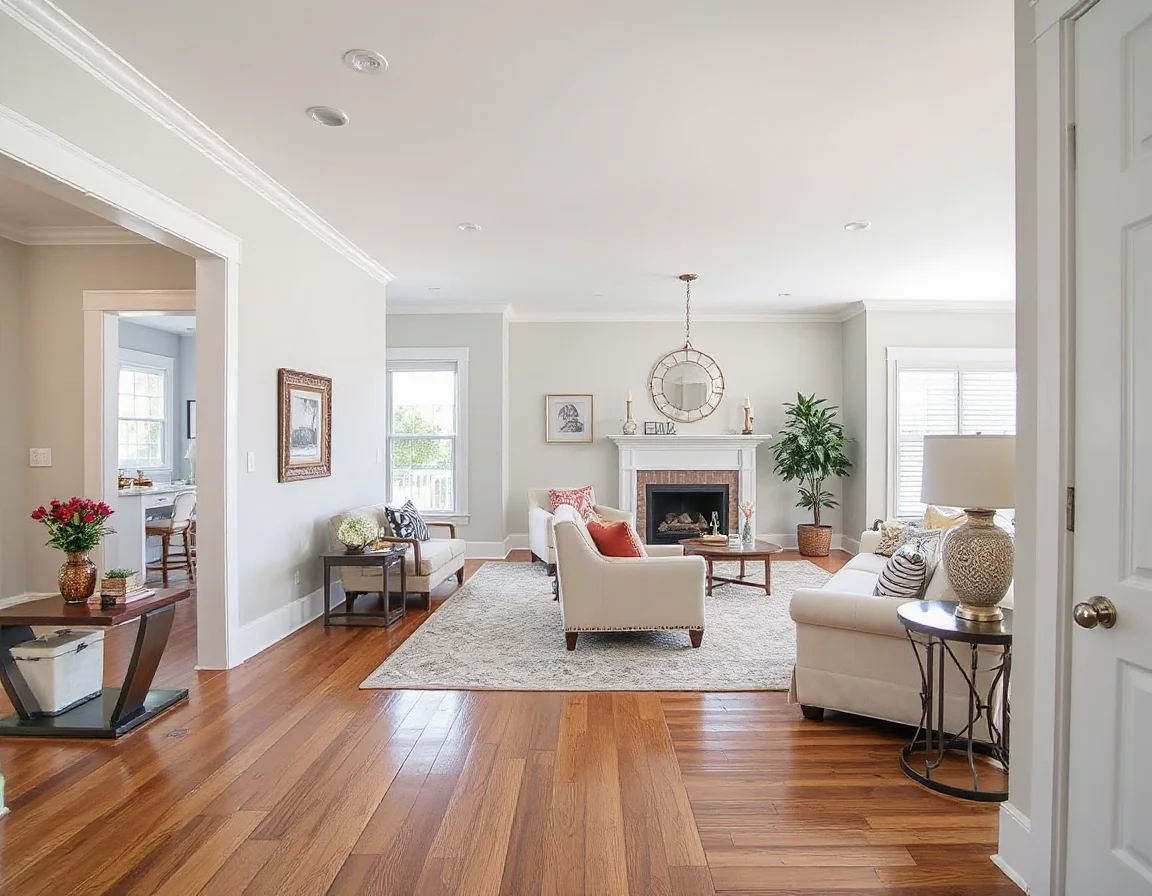
During the visit, the inspector may point out routine maintenance items alongside more significant concerns. That distinction matters. A loose handrail, aging caulk, or a dirty filter may be easy fixes, while active leaks, electrical hazards, or major structural movement can carry more weight in negotiations. Many reports use long lists and photos, so it helps to separate truly material issues from minor upkeep notes.
Afterward, you will usually receive a digital report with comments, images, and recommendations. This is the point where buyers benefit from a calm review process. The longest reports are not always the worst reports; they are often simply thorough. What matters most is identifying the items that affect habitability, system function, water management, and repair cost—not reacting to every notation as if it were equally urgent.
If the report lists dozens of items, ask which findings are immediate concerns, which are routine maintenance, and which can be budgeted for over time. That simple sorting process can make the next decision much clearer.
It can also be wise to get contractor estimates quickly if the inspection identifies larger repairs. Real numbers are more helpful than rough guesses when deciding whether to request a seller credit, ask for repairs, or adjust your budget plans after closing.
What happens after the report comes in
Once the inspection report is delivered, buyers usually have several options, depending on the contract terms and the nature of the findings. If the issues are minor, you may proceed without changes. If there are meaningful concerns, you may ask the seller to complete certain repairs, provide a credit toward closing costs, reduce the price, or address a specific item with a licensed specialist before closing.
Not every issue becomes a negotiation point. Sellers are not typically expected to make a home brand new, and buyers should be prepared for normal wear in resale properties. The strongest requests usually focus on defects that affect major systems, create water intrusion risk, involve safety-related property conditions, or present a substantial unplanned cost. Prioritizing those items makes the conversation more practical and more likely to lead to resolution.
Timing is important here. Inspection response periods are contractual deadlines, so it helps to review the report promptly and communicate clearly. A thoughtful strategy can keep the transaction moving while still protecting your interests. In many cases, the best outcome is not getting every small repair completed before closing, but reaching terms that reflect the true condition of the property.
How buyers can use inspections wisely
A successful inspection period starts with realistic expectations. Even well-cared-for homes will show some maintenance items, and older properties often come with a longer list of recommendations. The value of the inspection is that it gives you a roadmap. You learn what needs attention now, what may need attention later, and where a specialist should weigh in before you move forward.

It also helps to keep the inspection in context with the rest of your due diligence. Insurance availability, flood considerations, repair quotes, utility costs, and future maintenance plans all play a role in whether the home still fits your goals. A strong buying decision comes from putting those pieces together, not from judging the property by a single line item in a report.
For buyers in New Bern, the best approach is informed and steady: hire a qualified inspector, attend when possible, ask questions, and focus on the findings that affect value, condition, and future budgeting. When used well, the inspection is not just another step to get through. It is one of the most useful tools you have for buying with confidence and fewer surprises after closing.