
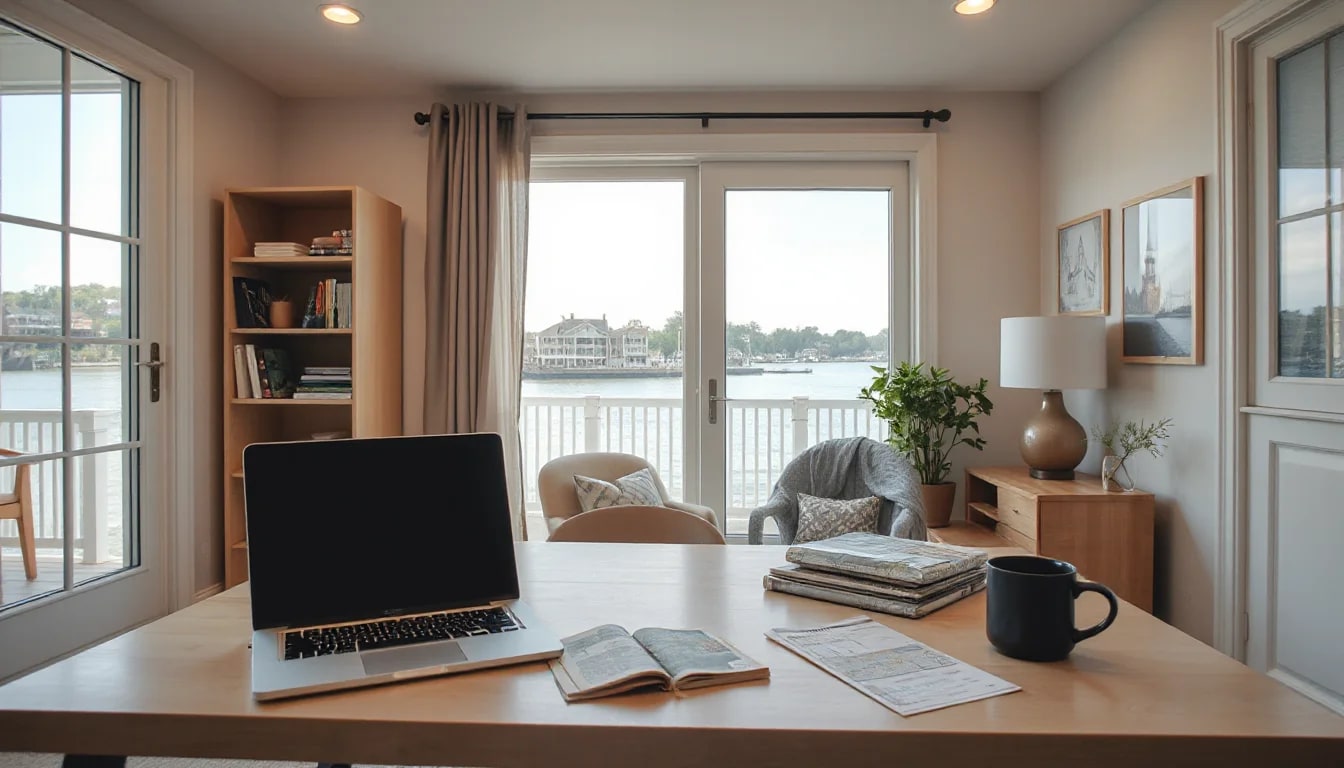
Waterfront homes in Swansboro can offer remarkable views, direct or nearby water access, and a lifestyle tied closely to the Intracoastal setting, but they also come with details that deserve a closer look. Buyers should compare lot elevation, flood insurance, docks, and maintenance needs, while sellers benefit from presenting shoreline features clearly and pricing against truly comparable waterfront inventory. A little extra homework on the front end can make a major difference in both value and peace of mind.
Why waterfront properties in Swansboro draw so much attention
Set along coastal North Carolina, this market combines boating access, scenic marsh and sound views, and a small-town setting that makes waterfront real estate especially distinctive. Homes near the water are not all the same, though. Some properties offer deep-water access, some have marsh frontage, some sit on canals or creeks, and others capture broad water views without direct shoreline ownership. Those differences matter because they affect everyday use, maintenance, insurance, and resale value.
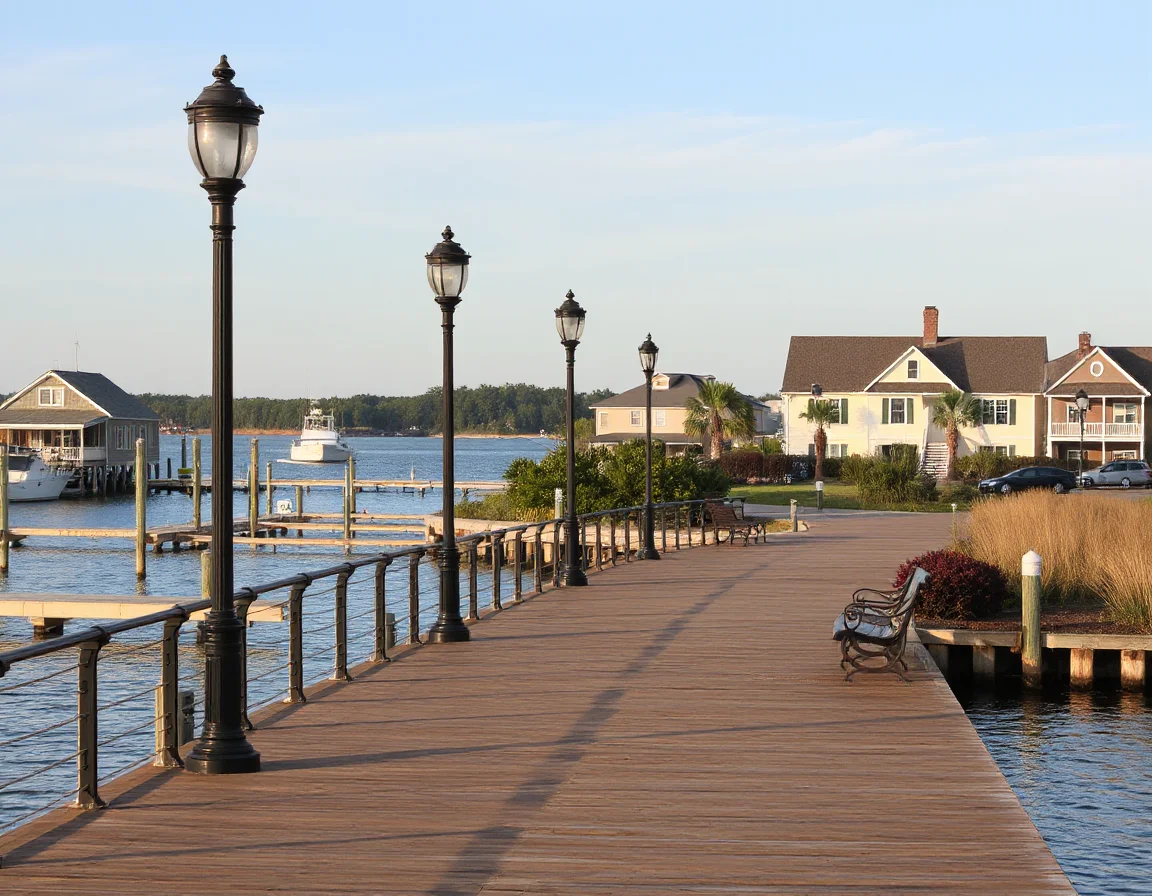
For buyers, the appeal often starts with the setting: sunrise light on the water, quick access for a boat, and the visual openness that comes from a shoreline lot. For sellers, that same appeal can create strong interest, but only when the listing explains the property with precision. Waterfront shoppers usually compare details carefully, and vague descriptions can lead to missed opportunities or unnecessary questions during showings.
One of the most important things to understand is that value is shaped by more than proximity to water. Orientation, shoreline condition, bulkheads, docks, flood zone designation, and bridge clearance for boaters can all influence how one home stacks up against another. A house two streets back with a protected water view may compete very differently from a home with a private dock but more maintenance exposure.
In waterfront pricing, the phrase “on the water” is only the starting point. Access type, view quality, and insurance costs often separate homes that might look similar in a quick online search.
What buyers should evaluate beyond the view
A beautiful setting is easy to appreciate immediately, but waterfront buying is really about understanding the property as a whole. Start with the basics: elevation certificates if available, current flood insurance information, age and condition of the roof, HVAC system, windows, and exterior materials. Salt air, wind, and moisture can increase wear over time, so exterior upkeep deserves close attention.
It also helps to ask practical questions about the water itself. Is there a dock permit in place? What kind of vessel access is realistic at different tides? Has the shoreline needed stabilization work? Is there a homeowners association, and if so, does it affect docks, boat storage, or exterior changes? These points are especially useful because they influence not only your enjoyment of the home, but also long-term ownership costs.
Inside the home, buyers should look past staging and focus on layout, storage, and how the house supports coastal living. Covered outdoor space, easy-clean flooring, gear storage, rinse-off areas, and durable finishes can all add real daily value. If the property is intended as a primary residence, a second home, or an investment property, the best fit may look different from one buyer to the next, so matching the home’s features to your intended use is key.
Inspection strategy matters too. In addition to a general home inspection, buyers may want to consider specialized evaluations depending on the property’s age and location, including marine structure review for docks or bulkheads, pest inspection, and HVAC servicing history. A waterfront purchase can be incredibly rewarding, but success usually comes from careful due diligence rather than a fast emotional decision.
What sellers can do to position a waterfront home well
Selling a waterfront property means marketing both the house and the setting, but buyers still respond best to clarity. A strong listing should identify the actual water feature, note whether there is direct access, and explain improvements such as a pier, lift, bulkhead, screened porch, impact-resistant features, or recent exterior upgrades. The more exact the information, the easier it is for serious buyers to recognize the home’s value.
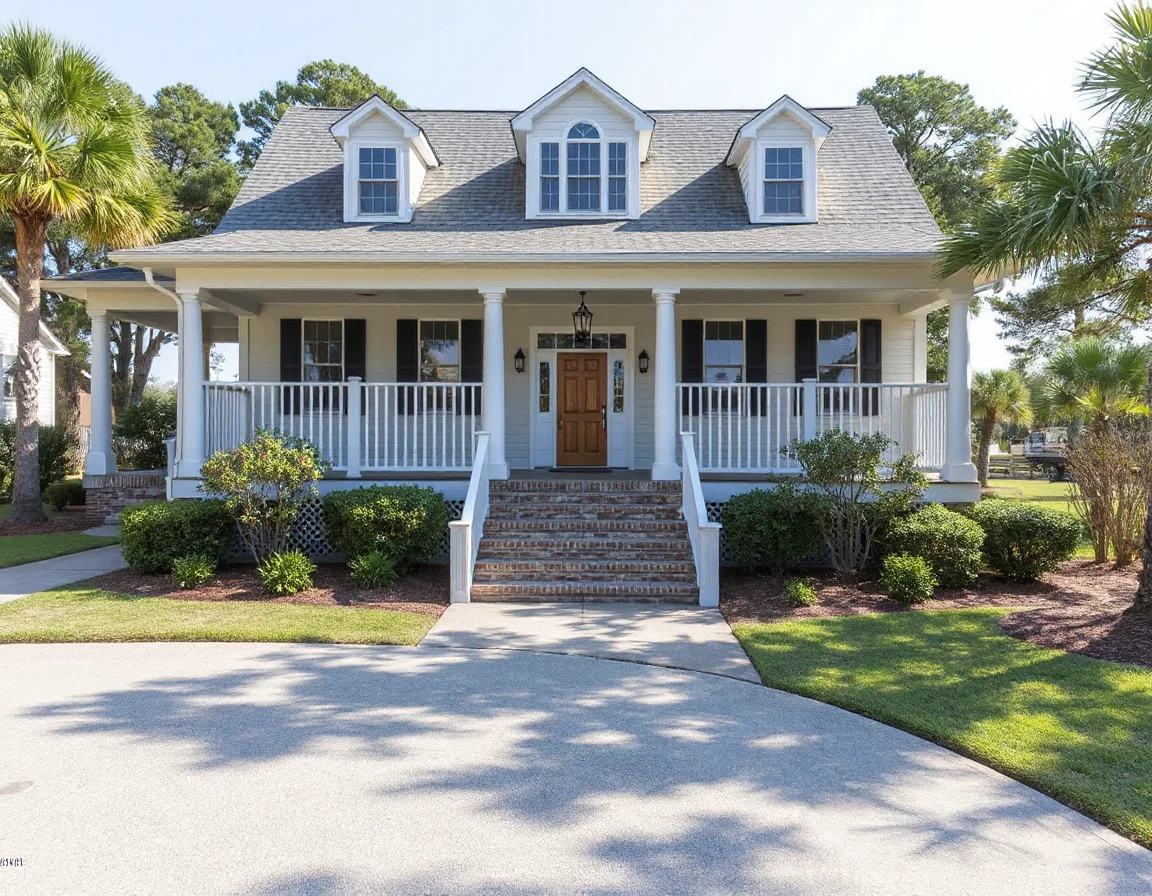
Pricing is where many waterfront sellers either gain momentum or lose it. Comparable sales should match on more than square footage and bedroom count. True comparables should reflect similar water orientation, lot characteristics, flood exposure, private access features, and renovation level. A home with a broad sunset-facing view and updated dock infrastructure may not compete directly with another waterfront address that lacks those features.
Presentation also plays a larger role than many owners expect. Trim vegetation only enough to highlight the view, make outdoor seating areas feel usable, and ensure docks, railings, and walkways look maintained and safe to navigate. If the property has windows or porches designed to capture water views, those focal points should be clean, bright, and unobstructed during photography and showings.
Waterfront buyers often make decisions emotionally at first and analytically right after. Sellers who pair attractive presentation with solid documentation tend to keep that initial excitement moving forward.
Documentation can strengthen confidence. If you have survey updates, insurance details, permit records, utility information, or receipts for shoreline and exterior work, organizing them before listing can reduce friction once an offer comes in. The goal is not simply to attract attention, but to help buyers feel that the property has been thoughtfully maintained.
How location and micro-location affect value
Within the Swansboro area, small geographic differences can shape the ownership experience in big ways. One property may offer quicker boating access, another may sit on a quieter inlet, and another may prioritize open views over direct launch convenience. Commute routes, proximity to marinas, nearby dining and recreation, and the character of surrounding development all influence buyer interest.
That is why “waterfront” should never be treated as a single category. Creek frontage, marsh frontage, canal frontage, and broad river or sound exposure can produce very different pricing patterns. Some buyers prioritize a dock-ready setup; others care more about a panoramic porch view and low exterior upkeep. Understanding which feature drives demand for a particular home helps both sides make smarter decisions.
Seasonal timing can also play a role. Warmer months often spotlight docks, decks, and boating potential, while cooler seasons can make structural condition, light quality, and wind exposure easier to notice. Neither season is automatically better, but each reveals different strengths. Buyers and sellers who recognize that shift can prepare more effectively for showings, inspections, and negotiations.
A balanced approach leads to better outcomes
Swansboro waterfront homes can be some of the most compelling properties in the local market, but they reward a detail-oriented approach. Buyers are best served by looking beyond the shoreline and understanding insurance, access, condition, and long-term maintenance. Sellers do best when they explain the property accurately, price it against the right waterfront competition, and present both the home and the outdoor spaces with care.
Whether you are comparing listings or preparing to go on the market, the central question is simple: what makes this specific waterfront property useful, enjoyable, and valuable in everyday life? Once that answer is clear, the path forward becomes much easier to evaluate. In a market where no two shoreline homes are exactly alike, informed decisions are what turn a memorable setting into a successful real estate move.