

Buying a first home in Atlantic Beach can feel like a lot of moving parts, but the process becomes much more manageable when you break it into clear steps. This guide walks through what happens from mortgage preapproval to closing day, with practical tips on budgeting, searching, inspections, and timing in a coastal market. If you want fewer surprises and more confidence, start here.
Start With Numbers Before You Start With Listings
The easiest way to make a first purchase feel less overwhelming is to begin with the financial side before falling in love with a particular property. In Atlantic Beach, where condos, townhomes, and single-family homes can all behave a little differently on price, insurance, and maintenance costs, a realistic budget matters just as much as your wish list. Looking at monthly payment comfort, closing costs, reserves for repairs, and lender requirements early on can save time later.

Mortgage preapproval is usually the best first milestone because it gives you a price range grounded in current rates, credit, debt, and income documentation. That is different from a casual online calculator. A true preapproval typically involves pay stubs, tax returns, bank statements, and a credit review, which means your purchase strategy is based on actual lending standards rather than guesswork. It also helps when it is time to submit an offer, since sellers often want to see that a buyer is financially prepared.
For coastal properties, ask up front about items that may affect monthly ownership costs beyond principal and interest. Depending on the property, those may include flood insurance, wind coverage, HOA dues, or higher maintenance planning due to salt air exposure. None of these factors should discourage you, but they should be part of the full cost picture before you shop seriously.
A strong preapproval does more than set a ceiling price. It helps you define a comfortable monthly target so your search stays focused when new listings hit the market.
Build a Search Strategy That Matches Atlantic Beach Inventory
Once the financing groundwork is in place, the home search becomes much more productive. Atlantic Beach inventory can include vacation-style condos, primary residences, and homes with very different upkeep profiles even at similar price points. That makes it useful to sort properties by more than just bedrooms and baths. Think about parking, storage, exterior maintenance responsibility, flood zone considerations, building amenities, and whether you want easier lock-and-leave ownership or more interior and outdoor space.
It also helps to define your non-negotiables versus your preferences. A short list of must-haves keeps you from bouncing between properties that are not truly comparable. For example, an elevator building, a first-floor layout, a covered porch, or direct beach access may matter more to your daily use than an extra bonus room. When you know what matters most, you can evaluate homes more objectively and move faster when the right one appears.
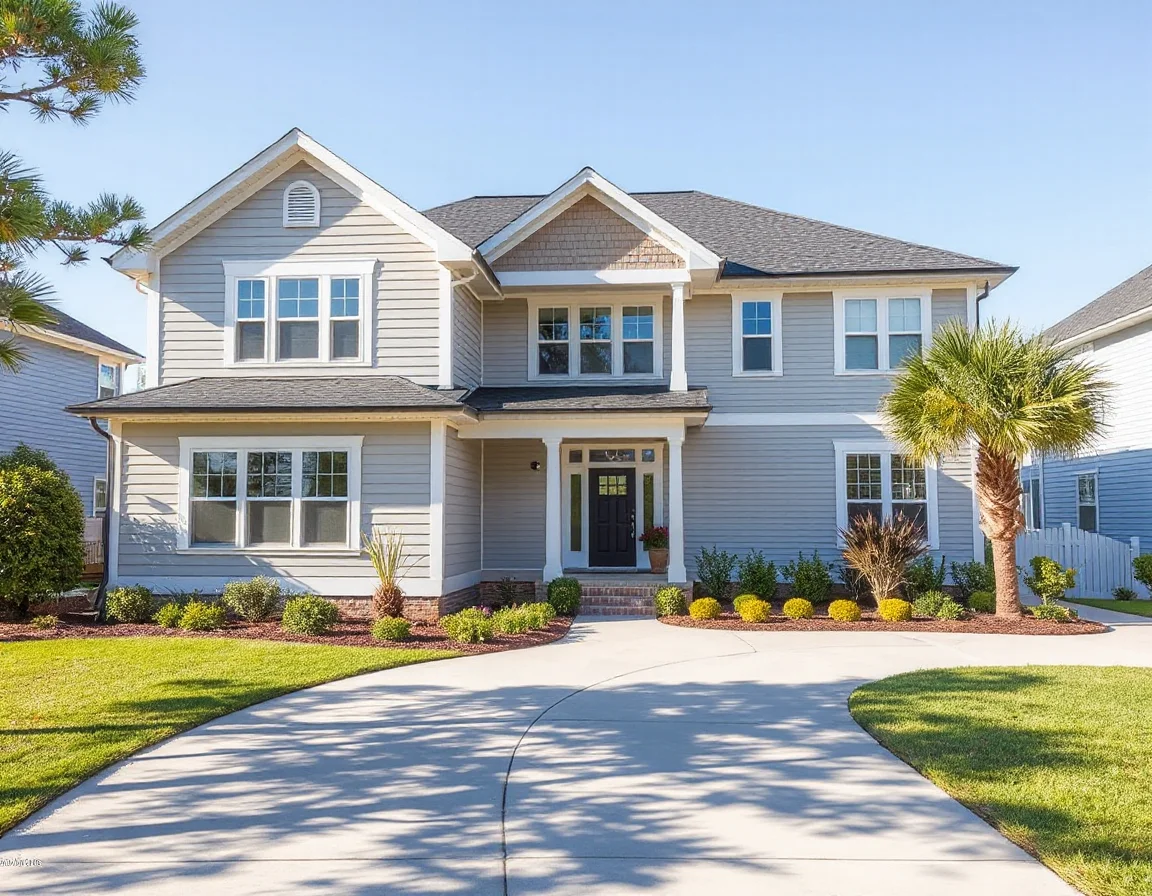
Local timing can matter too. In a beach market, buyer activity can shift with the season, travel patterns, and inventory flow. Some weeks bring fresh options, while other stretches are quieter and require patience. A prepared buyer can benefit from both situations: more choice when inventory expands, or less competition when fewer people are actively searching.
As you tour homes, pay close attention to condition details that may have an outsize impact near the coast. Windows, roofing age, siding materials, HVAC performance, and signs of deferred exterior upkeep all deserve a closer look. Attractive staging is nice, but the more important question is how the property functions and what future maintenance may look like.
In coastal markets, two homes with similar list prices can carry very different ownership costs. HOA dues, insurance, and exterior maintenance responsibilities are worth comparing line by line.
Search Atlantic Beach listings
Making an Offer and Managing the Due Diligence Period
When you find the right property, the next phase is about balancing competitiveness with careful review. A well-structured offer usually considers price, financing terms, requested timelines, earnest money, and contingencies. In a market where appealing homes can attract attention quickly, clarity and clean terms can make a difference. That does not mean rushing past important protections; it means knowing which terms matter most and presenting them clearly.
After a contract is accepted, due diligence begins. This is when inspections, document review, lender processing, and negotiation often happen at once. For a condo or townhome, review association documents, rules, budgets, and fees. For detached homes, inspections may focus more heavily on structure, roofing, drainage, HVAC, and exterior exposure. In either case, the goal is to understand the property as thoroughly as possible before closing rather than reacting to surprises afterward.
A general home inspection is often the starting point, not the final word. Depending on the home, additional evaluations may be worthwhile for items such as moisture intrusion, pest issues, or specialized systems. Your lender may also order an appraisal, which is separate from an inspection and is intended to support the loan value. These steps can feel repetitive, but they answer different questions and together give you a fuller picture.
If inspection findings come back with concerns, the next step is usually negotiation rather than panic. Some items are routine maintenance, some are safety or systems issues, and some affect the long-term value equation. What matters is understanding the significance of each issue, the likely cost, and whether a repair request, credit, or pricing adjustment is appropriate.
From Final Approval to Closing Day
Once contingencies are satisfied, the process shifts toward final loan approval and closing preparation. During this stage, buyers are often asked for updated bank statements, confirmation of funds, or explanations for large deposits. It is wise to avoid major financial changes while the loan is in underwriting. New debt, big purchases, or unusual account activity can create delays at exactly the wrong moment.

Before closing, you will also review the final settlement figures. This is where your cash to close, lender charges, prepaid items, and prorations become fully itemized. Ask questions if anything is unclear. First-time buyers often feel like they should already understand every line, but a good closing process should make the numbers easier to follow, not more confusing.
The final walkthrough is your chance to confirm the property’s condition before the transaction is completed. You are typically verifying that agreed-upon repairs were handled if applicable, that the home is in the expected condition, and that no unexpected issues have appeared since your last visit. It is a practical appointment, but it also marks the moment when the process begins to feel real.
Closing day itself is usually more administrative than dramatic: signing documents, confirming funds, and waiting for recording and key delivery. Still, it is the finish line for weeks or months of planning. The buyers who tend to feel most confident at this stage are not the ones who avoided questions; they are the ones who asked them early and often.
A First Purchase Gets Easier With a Clear Plan
Atlantic Beach offers a distinctive buying experience because coastal ownership brings both lifestyle appeal and practical considerations. The good news is that first-time buyers do not need to know everything on day one. They only need a sequence: get preapproved, define the budget honestly, narrow the search, evaluate each property carefully, and stay organized all the way to the closing table.
With that approach, the process becomes less about guessing and more about informed decisions. Whether you are comparing a condo near the shore or a house with more year-round living space, the right preparation can help you move forward with clarity, protect your budget, and enjoy the excitement of buying your first home without losing sight of the details that matter most.