
Jacksonville offers a practical mix of outdoor spaces, everyday services, and coastal access that can make day-to-day living feel straightforward without giving up variety. From waterfront views and walking trails to national retailers, local dining, and nearby routes toward the Crystal Coast, this guide breaks down what residents often want to know before making a move. If you are comparing locations in coastal North Carolina, understanding how Jacksonville functions between workdays and weekends can be just as important as the home itself.
Why Jacksonville Stands Out for Everyday Living
For many home buyers, the biggest question is not just what a property looks like, but how life flows around it. In Jacksonville, that answer often starts with convenience. The city offers a solid network of grocery stores, medical offices, fitness centers, schools, parks, and major roads, which means many routine errands can be handled without a long trek across town. That practical side is a major reason people continue to explore housing options here.

Located inland from the barrier island beaches but still closely tied to the coast, Jacksonville has a different rhythm than some of the smaller waterfront towns nearby. It tends to feel more service-oriented and connected, with a broader selection of shopping and dining than many communities in the surrounding area. That can be a real plus for anyone who wants access to daily necessities while still being within reach of boating, beach days, and scenic drives.
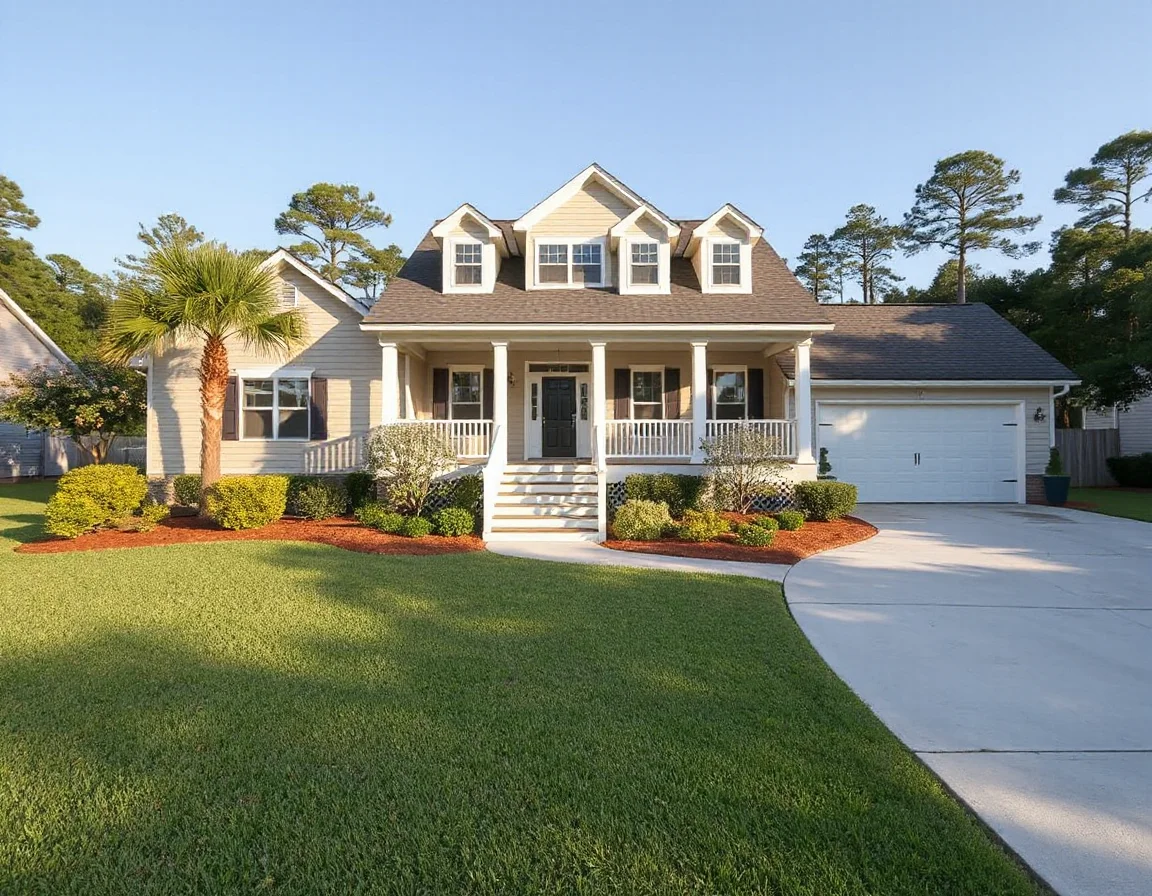
The city also has a range of housing styles, from established neighborhoods with mature trees to newer construction in developing areas. Because of that variety, buyers can often compare home features, lot sizes, and commute patterns within the same general market instead of having to widen their search too far.
In Jacksonville, small differences in location can noticeably change commute time, traffic patterns, and access to retail corridors, so it helps to evaluate the route around a property as carefully as the floor plan itself.
Parks, Trails, and Outdoor Recreation
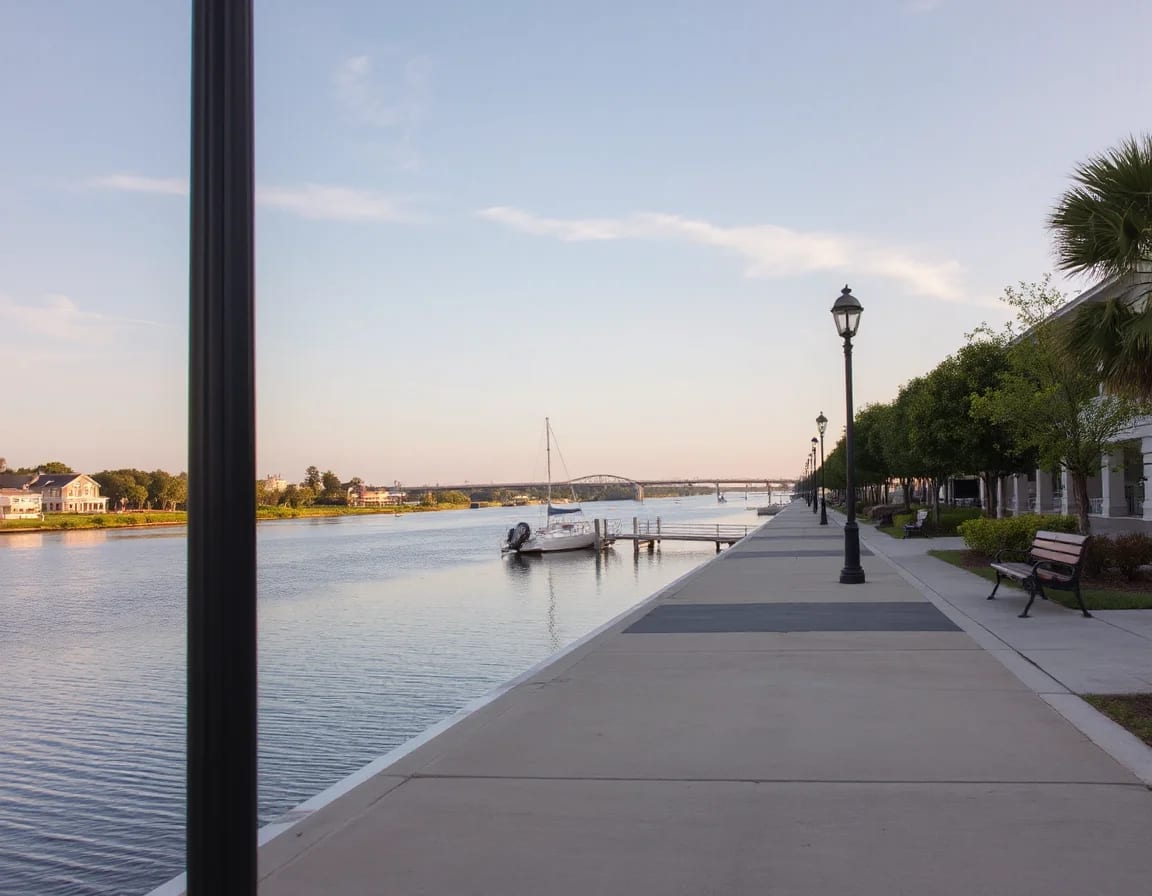
One of Jacksonville’s strongest lifestyle advantages is its access to parks and outdoor spaces. Residents can enjoy riverfront scenery, playgrounds, sports fields, walking paths, and community green spaces that support both active afternoons and quieter downtime. Whether you prefer a morning jog, an evening walk, or a place to sit near the water, there are multiple options woven into the area.
Sturgeon City Park is one of the local highlights, combining natural surroundings with boardwalk areas and educational programming tied to the environment. The Jacksonville Commons Recreation Complex is another major asset, known for its broad range of fields, courts, and recreation amenities. These spaces help create an everyday rhythm where it is easy to step outside, get moving, or simply spend time outdoors without needing a full day trip.
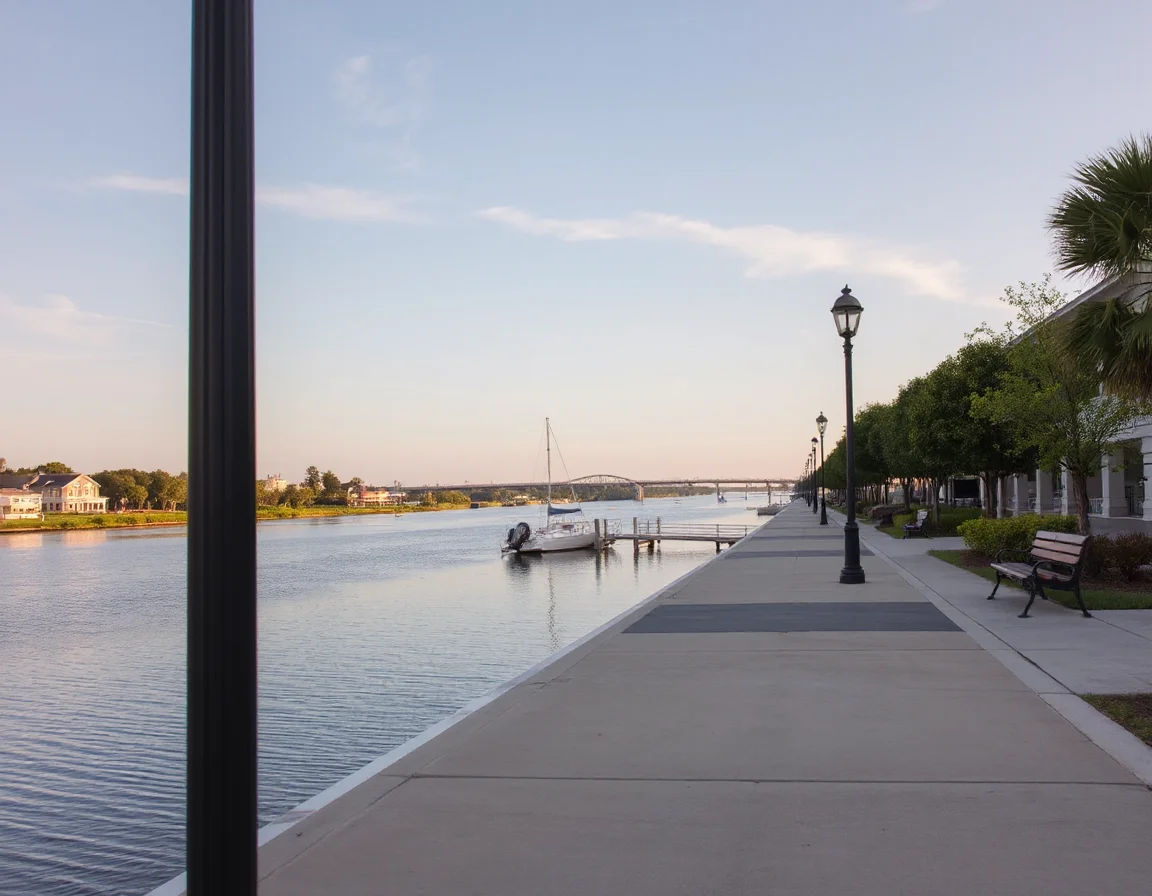
Beyond formal park spaces, Jacksonville’s location also puts broader coastal recreation within reasonable reach. Day trips toward beaches, marinas, fishing spots, and water access points are part of the appeal of living in this part of North Carolina. For many buyers, that balance matters: a city with everyday infrastructure, plus easy routes to outdoor recreation when the weekend arrives.
Seasonally, the mild coastal climate supports year-round use of many outdoor areas. Summer naturally brings heavier beach traffic and more time on the water, but spring and fall can be especially pleasant for walking trails, community events, and exploring local greenways with more moderate temperatures.
If outdoor access is high on your list, look beyond distance on a map and check how quickly you can reach your preferred type of recreation—riverfront paths, athletic facilities, or a weekend drive toward the coast.
Dining, Shopping, and Running Errands Efficiently
Daily convenience is where Jacksonville often earns strong marks from buyers. The city has a wide enough commercial base to make regular routines easier, with grocery options, pharmacies, banks, home improvement stores, medical services, and national retail concentrated along well-traveled corridors. For many people, that means fewer separate trips and more predictability in the weekly schedule.
Dining in Jacksonville includes a blend of casual local spots, familiar chains, quick lunch options, and seafood choices that reflect the wider coastal region. Rather than relying on one small central district, the city’s food scene is spread across multiple commercial areas, giving residents flexibility depending on where they live or work. That setup can be especially useful on busy weekdays when convenience matters as much as atmosphere.
There is also value in Jacksonville’s practical scale. It is large enough to provide variety, but still manageable enough that many common destinations feel accessible. Buyers who are relocating from more rural parts of the region may appreciate the increased service options, while those coming from bigger metro areas may find the pace more approachable.
When touring homes, it helps to think beyond distance to the nearest store and consider the full pattern of your week. Where do you typically shop for groceries? How often do you need medical appointments, gym access, or a commute to another town? In Jacksonville, those details can shape the experience of a location just as much as the square footage of the home.
Location Advantages and Access to Nearby Coastal Communities
Jacksonville’s position in Onslow County gives it an important geographic advantage: it works well as a hub. Residents can stay close to schools, services, and major employers during the week, then head toward nearby destinations like Swansboro, Emerald Isle, or other Crystal Coast communities for boating, waterfront dining, or time at the beach. That dual role adds flexibility that appeals to many buyers evaluating coastal North Carolina.
That regional connectivity can expand your options when deciding where to live. Some buyers want to prioritize immediate access to stores and routine services, while others are focused on being closer to waterfront towns or specific recreation areas. Jacksonville often fits buyers who want a central base with multiple destinations available by car, rather than a more isolated setting.
From a real estate perspective, this can also support a wide range of search criteria. One buyer may focus on lot size and newer construction, while another may care more about an established neighborhood near parks or a route that simplifies the workday. Understanding the surrounding road network, traffic flow, and distance to coastal amenities can help narrow the search in a meaningful way.
What Home Buyers Should Pay Attention to
When comparing Jacksonville homes, it is smart to think in layers. Start with the property itself: layout, condition, storage, yard space, and long-term maintenance. Then move outward to the neighborhood setting, nearby amenities, and your most frequent destinations. A home that looks similar on paper to another listing may feel very different once you factor in access to parks, traffic patterns, or proximity to shopping and services.
It is also worth paying attention to how different parts of Jacksonville feel at different times of day. A route that seems quick in mid-morning may be busier during rush hour. A neighborhood near retail and dining may feel especially convenient for some buyers, while others may prefer a quieter interior street with a little more distance from main corridors. Neither is universally better; the key is matching the location to your routine.
For buyers new to the area, seeing Jacksonville in person can be especially helpful because the city’s appeal is often found in how usable it feels. The combination of recreation, services, and regional access is easier to appreciate when you drive the roads, visit a park, and notice how quickly you can connect everyday stops with weekend destinations.
Ultimately, Jacksonville offers a grounded version of coastal North Carolina living: practical, connected, and close to the kinds of amenities that shape real life. If you are looking for a place where errands, outdoor time, and regional exploration can all fit into the same week, it is a market worth a closer look.