

Newport home prices are shaped by far more than a single online estimate. Waterfront proximity, condition, lot characteristics, insurance considerations, and the pace of available inventory can all influence what a buyer may pay and what a seller may realistically expect. A clear look at comparable sales and current competition helps turn a headline number into a useful decision.
How Newport Home Prices Take Shape
In Newport, North Carolina, a home’s value is usually the result of several details working together. The community’s coastal setting, access to area waterways, proximity to Morehead City and Atlantic Beach, and a varied mix of established homes, newer construction, condos, and properties with land all create a market with meaningful differences from one block to the next. Two homes with similar bedroom counts can command very different prices when their setting, condition, updates, and carrying costs are considered.
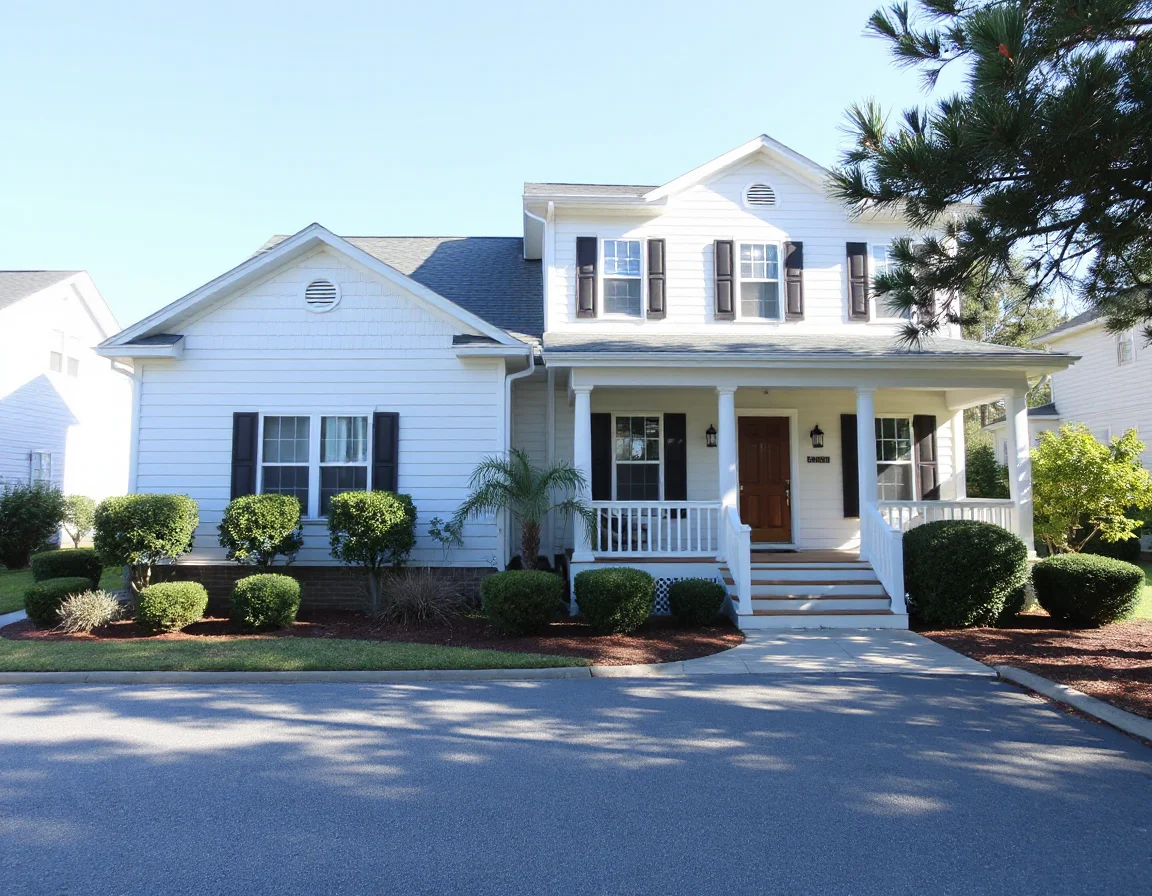
Comparable sales remain the starting point. A useful pricing review looks at recently closed homes that are genuinely similar in location, size, age, layout, condition, and features. Active listings matter, too: they show the options competing for a buyer’s attention today. Pending homes can offer another signal, although their final sale price is not public until closing. Looking at all three groups provides a more complete picture than relying on a broad countywide average or an automated valuation alone.
For buyers, the asking price is an invitation to investigate rather than a final verdict. Consider whether the home has been recently updated, how its floor plan functions, whether major systems have documented ages, and how the property compares with alternatives available at the same time. For sellers, pricing is a strategy: a number should reflect the home’s strengths while acknowledging the options a buyer can tour in the current market.
The most useful price comparison is rarely the nearest house alone. A recently sold property with a similar lot, condition, and utility profile often tells a more relevant story than a larger or heavily renovated home nearby.
Coastal markets also reward careful attention to property-specific expenses. Flood-zone designations, wind and homeowners insurance, elevation information, septic or municipal service, and maintenance needs may affect a buyer’s overall monthly and long-term cost. These items do not automatically raise or lower value, but they can influence demand and the price range buyers are prepared to consider.
What Buyers Should Look Beyond the List Price
A successful Newport home search begins with a comfortable budget, but it should also leave room for due diligence. Before making an offer, buyers can review disclosures, ask about improvements and permits, compare tax records with the home’s current features, and understand whether a property is subject to an HOA or other community requirements. Financing preapproval can help clarify the purchase range, while inspection and appraisal contingencies provide important opportunities to evaluate the property more closely.

Location can mean different things across the Newport area. Some buyers prioritize a water view, dock access, a larger lot, a shorter route to coastal destinations, or proximity to daily services. Others focus on a particular home style, a renovated kitchen, flexible living space, or storage for equipment. Identifying the features that matter most before comparing listings helps prevent a search from becoming focused only on the biggest home or lowest price.
It is also wise to separate cosmetic updates from major ownership considerations. Fresh paint and new fixtures may improve first impressions, while roof age, HVAC condition, windows, drainage, foundation observations, and electrical or plumbing updates can carry more weight over time. A qualified inspector can help explain current conditions and recommended maintenance, giving buyers information they can use during negotiations and future planning.
Appraisals deserve attention in any financed purchase. An appraiser evaluates the property using market data and property characteristics, but the appraisal is not a substitute for an inspection or a personal assessment of the home’s fit. When market activity is changing quickly, buyers should discuss comparable sales, appraisal terms, and their offer strategy with their real estate professional and lender before writing an offer.
A Practical Pricing Approach for Sellers
For sellers, preparation can make the pricing conversation more productive. Start by documenting improvements, gathering available permits and warranties, and noting the age of major systems. A buyer may not see the value of a newer roof, updated electrical panel, or improved drainage at first glance, so clear information can help the home’s condition be understood alongside its appearance.
Presentation matters because buyers compare homes quickly, often first through photos and then during showings. Decluttering, addressing visible repairs, improving exterior maintenance, and making rooms easy to understand can support a strong first impression. The goal is not to erase the home’s character; it is to help buyers see the layout, storage, natural light, and features without distraction.
Pricing too far above recent evidence can reduce early interest, while pricing without regard to the home’s specific advantages can leave value unexplained. A well-supported list price considers closed comparables, active competition, pending activity when available, seasonal inventory, and the property’s condition. It also leaves room for the fact that every buyer weighs location, updates, and ownership costs differently.
The first days on market often provide the clearest feedback. Showing activity, questions from buyers, and comparable listings that go pending can help refine a seller’s expectations without relying on guesswork.
Terms are part of the full offer, not an afterthought. Closing timing, financing type, inspection requests, appraisal provisions, repair discussions, and the amount of earnest money can all affect the practical strength of an offer. Sellers benefit from reviewing the complete package, while buyers benefit from understanding how their selected terms may be received in a competitive setting.
Use Local Context, Not a Single Number
Newport home prices can change with inventory levels, interest rates, seasonal activity, and the mix of properties entering the market. A month with several waterfront or newly built sales may look very different from a month dominated by smaller homes or properties needing updates. That is why broad median-price headlines can be informative, but they should not be treated as a personal valuation or a prediction for every address.
The clearest path forward is to pair current market data with the details of the individual home. Buyers can use that information to make a confident, well-supported offer. Sellers can use it to position a property thoughtfully and respond to market feedback with purpose. Whether the next step is browsing homes, planning improvements, or preparing for a sale, a focused review of recent Newport activity can make the process more understandable from the start.