

A well-prepared Newport home can feel more spacious, more cared for, and easier to understand from the very first photo. This checklist breaks preparation into manageable steps for listing day, from exterior details and room-by-room edits to showing-ready routines. The goal is not perfection—it is helping buyers focus on the home’s features and possibilities.
Start With the First Impression
Before professional photos are scheduled, take a walk from the street to the front door as though you are seeing the property for the first time. In Newport, North Carolina, exterior presentation matters in every season: bright coastal light, mature landscaping, porches, driveways, and outdoor storage areas can all become part of a buyer’s first visual impression. A clean, orderly entrance helps the listing photographs tell a clear story before anyone steps inside.

Begin with simple maintenance items that can stand out in photos. Mow and edge the lawn, remove fallen branches and loose pine straw, sweep the porch and walkways, and store bins, hoses, tools, and recreation equipment out of sight. Check exterior light fixtures, replace burned-out bulbs, and make sure house numbers are visible. If the entry door needs a touch-up, a fresh coat in a complementary color can create a polished focal point without requiring a major project.
Next, look at the spaces buyers will notice while approaching the home. Clear cobwebs from porch corners, straighten outdoor furniture, shake out entry mats, and remove personal décor that may distract from architectural features. For homes with decks, patios, sheds, boat parking, or fenced areas, tidy these spaces as well. The objective is to show usable square footage and outdoor function, not to fill every corner with belongings.
Photos capture small details more clearly than the eye often does. A five-minute sweep of the porch, driveway, and entry can prevent clutter from becoming the first thing a buyer notices online.
Inside, create a practical staging plan rather than trying to redesign the entire property. Start by reducing visual volume: remove extra furniture, stacks of paper, oversized décor, and items stored on counters or floors. Rooms generally photograph best when walkways are open and each area has a clear purpose. A spare room can be shown as a flexible office, hobby space, or guest room, but avoid overcrowding it with storage boxes that hide its dimensions.
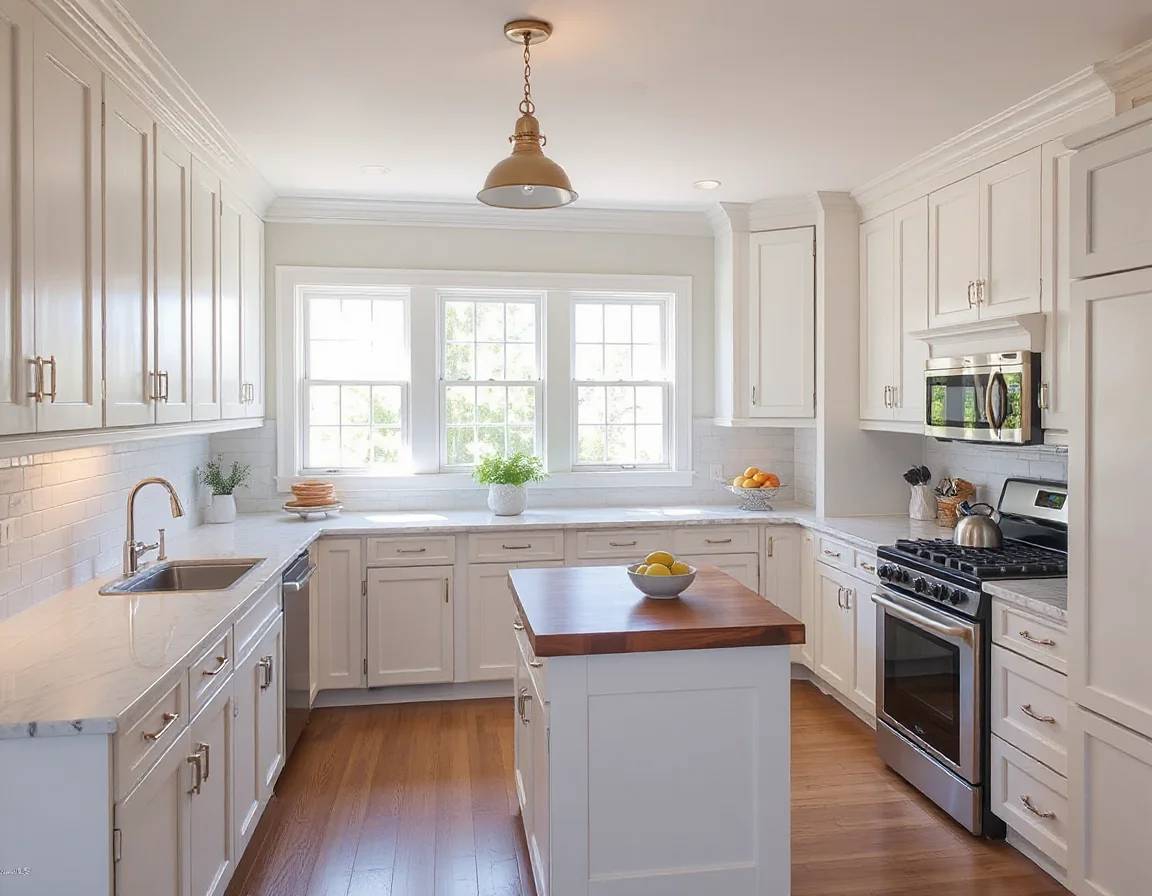
Kitchen and bathroom preparation deserve extra attention because these rooms are frequently reviewed closely in listing photos and during showings. Clear kitchen counters except for a few intentional accents, such as a bowl of fruit or a small plant. Put away dish racks, cleaning products, pet supplies, magnets, and appliance cords where possible. In bathrooms, remove toiletries, medication, laundry, bath mats, and used towels. Fresh hand towels, a clean mirror, and uncluttered counters make a meaningful difference.
Prepare Each Room for Listing Photos
Photography day is a chance to highlight natural light, layout, storage, and condition. Open blinds and curtains unless a view or privacy concern calls for a different approach, then turn on lamps and overhead lighting as directed by the photographer. Replace noticeably mismatched bulbs where practical so the lighting reads consistently from room to room. Clean windows, mirrors, glass shower doors, and stainless appliances shortly before the appointment, since these surfaces can reveal fingerprints quickly.
Bedrooms often benefit from a simplified approach. Make beds with coordinated linens, clear nightstands, tuck away charging cords, and remove items stored beneath the bed if they can be seen. Closets do not need to be empty, but editing them can help demonstrate capacity. Group similar items together, remove off-season clutter, and leave enough open space for the closet’s size and shelving to be visible.
Do not overlook utility areas. A laundry room, pantry, garage, attic access point, or mudroom may not receive the same attention as a kitchen, but a clean and organized version can reinforce the impression that the property has been maintained. Replace or neatly store cleaning supplies, fold utility-room textiles, and make sure access paths to major systems are clear. If there are documents for recent repairs, warranties, permits, or service records, organize them in a folder for later discussions rather than leaving them on display.
Personal items should be removed or stored before photos and showings. This includes mail, calendars, prescription bottles, financial papers, identification documents, valuables, and photographs. The practice protects privacy while allowing visitors to concentrate on room proportions, finishes, windows, storage, and other property features. It also makes the move-out process easier because part of the sorting is already complete.
Think of listing photos as a guided tour with no narrator. Every cleared counter, open walkway, and well-lit corner helps the home’s layout explain itself.
For occupied properties, plan for pets and pet-related items before photography and showings. Arrange a comfortable off-site option if possible, and remove bowls, litter boxes, bedding, crates, toys, and waste bags from view. Vacuum furniture and floors, check for odors, and open windows briefly when weather permits. Buyers may be more attentive to the home’s finishes and floor plan when rooms feel freshly cleaned and free of distractions.
Build a Showing-Ready Routine
Once the listing is live, preparation becomes a repeatable routine rather than a one-time event. Keep a basket or tote for last-minute items such as mail, remote controls, charging cables, toiletries, and small pet supplies. Before leaving for a showing, make beds, wipe counters, empty trash if needed, close toilet lids, turn on a few lights, and do one quick pass through the entry and main living areas. A short checklist reduces stress when showing requests come with limited notice.
Temperature and scent should feel neutral and comfortable. Avoid heavy fragrance products, which can compete with a buyer’s experience of the home. Instead, focus on clean surfaces, fresh air when conditions allow, and a consistent indoor temperature. In coastal eastern North Carolina, it is also useful to check that exterior doors, windows, and screened areas are secured properly before leaving.
Be ready to answer property-specific questions without overloading buyers during a visit. Your real estate professional can help present details such as age of major systems, recent improvements, utility information, flood insurance history when applicable, HOA documents, septic or well records where applicable, and repair receipts. Accurate documentation supports a smoother conversation once interest develops and helps prospective buyers evaluate the property on objective information.
Talk with Hurst Realty about preparing your Newport home for the market
Finally, resist the urge to make every improvement at once. Prioritize cleaning, decluttering, repairs that affect function, and presentation details that will be visible online and in person. Your agent can help identify which updates may be worthwhile for your home’s price range, condition, and current competition. With a thoughtful plan before photos, showings, and listing day, the home can make a confident and welcoming first impression while staying true to its actual features.