
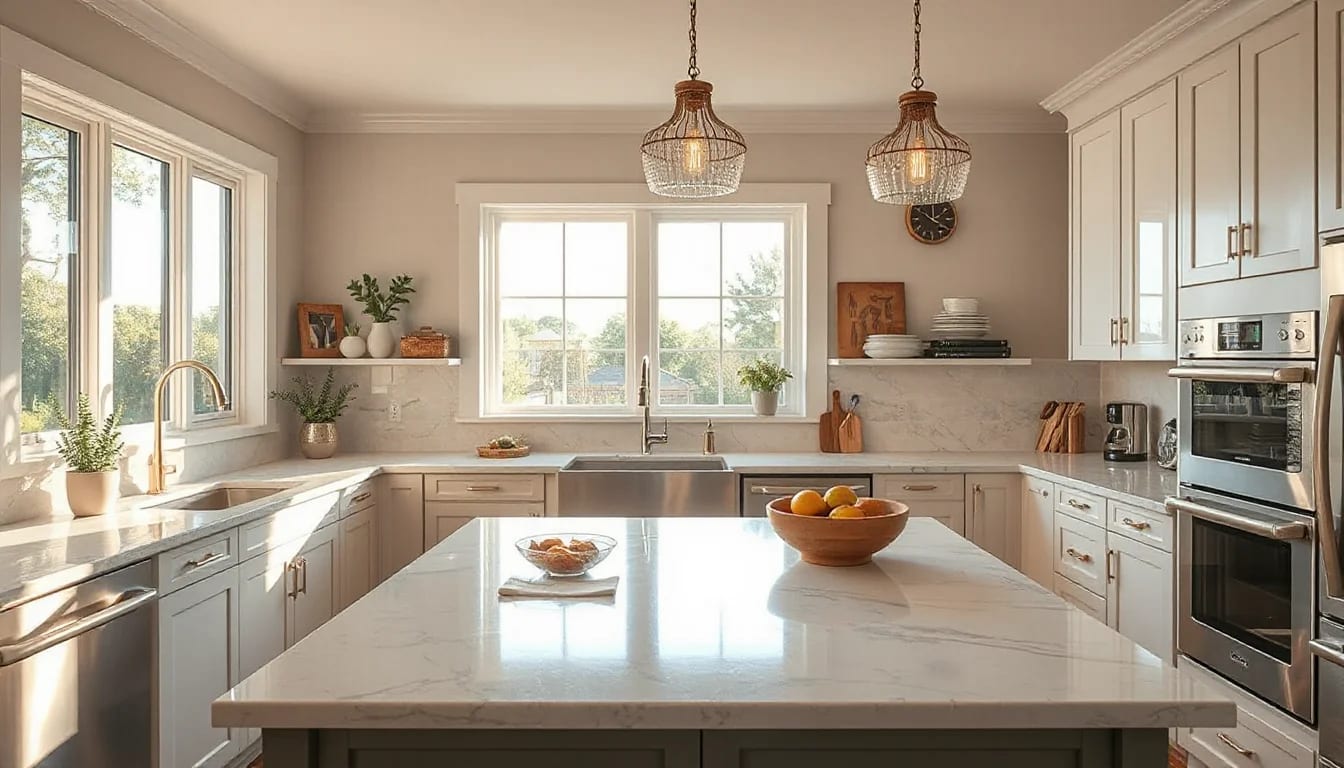

A thoughtful kitchen refresh can help a Newport home feel more current without requiring a full-scale renovation. The strongest resale upgrades tend to improve everyday function, brighten the room, and present a clean, cohesive finish that lets buyers focus on the home rather than a future project list. The key is choosing durable updates that fit the home’s price range and character.
Start With the Features Buyers Notice First
A kitchen often sets the tone for an entire showing. It is where buyers pause to inspect cabinet condition, counter space, storage, lighting, and appliance placement, even when the rest of the home is well maintained. In Newport, North Carolina, where coastal conditions can influence maintenance decisions, an updated kitchen does not have to mean a dramatic luxury remodel. A room that looks clean, practical, and well cared for can make a far stronger impression than one filled with expensive finishes that feel disconnected from the rest of the property.
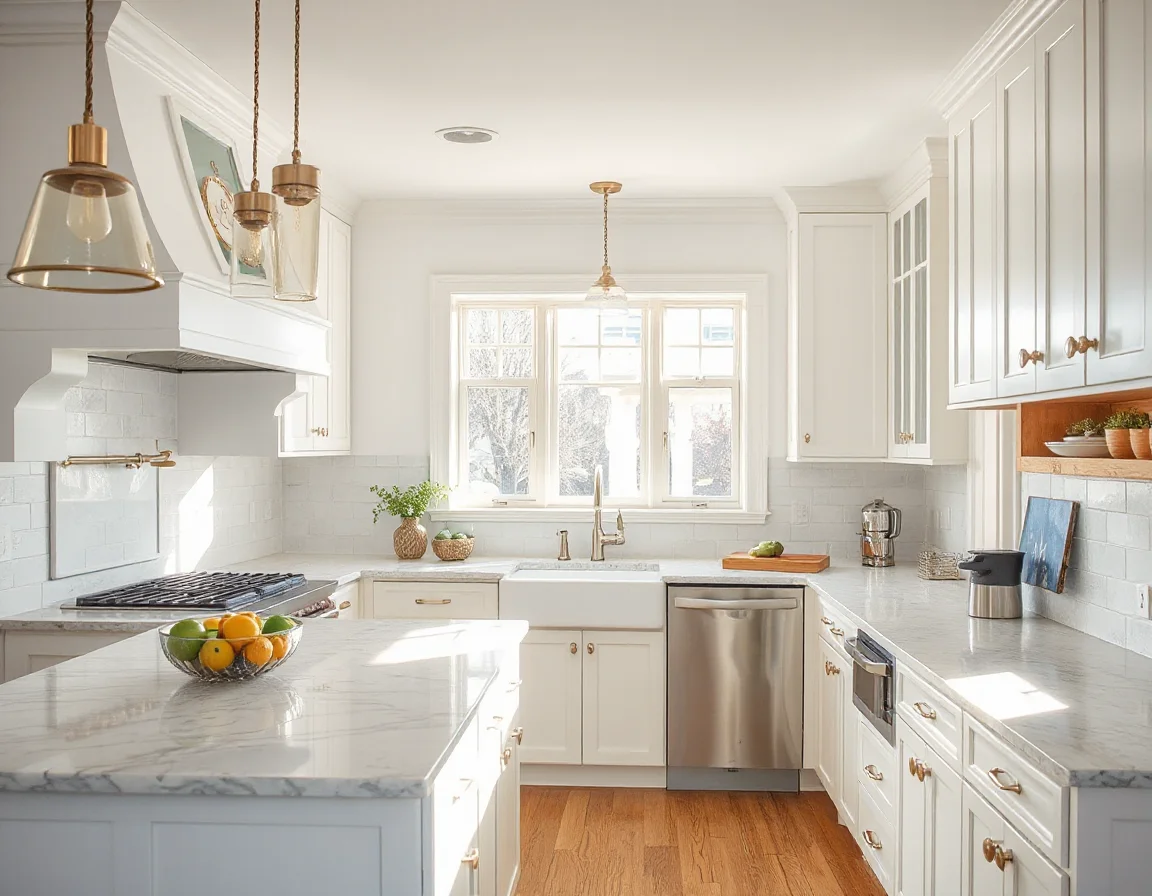
Cabinets are usually the first visual decision point. If the existing boxes are solid and the layout works, repainting or refinishing may deliver more value than replacement. Soft whites, warm greiges, muted blue-grays, and natural wood tones can feel current while remaining flexible for a range of design preferences. New hinges, simple pulls, and properly aligned doors make an outsized difference because they communicate attention to detail. Before selecting a color, consider the home’s flooring, wall paint, and natural light so the kitchen feels connected rather than newly isolated.
Countertops are another high-visibility upgrade. Durable quartz, quality laminate, solid-surface materials, and well-maintained granite can all be appropriate depending on the home and budget. The goal is not to chase the most elaborate slab available; it is to choose a surface that looks clean, is easy to maintain, and complements the cabinetry. A simple neutral countertop can give buyers room to imagine their own furnishings and decorative choices, while heavily patterned materials may limit that sense of flexibility.
A coordinated refresh of cabinet color, hardware, lighting, and countertops can often create more resale appeal than one premium feature surrounded by visibly dated finishes.
Do not overlook the condition of the small details. Replace stained caulk, chipped outlet covers, worn faucet aerators, loose handles, and yellowed grout before photography or showings. These tasks are generally modest in cost, but they reduce the number of distractions that can make a kitchen feel like a deferred-maintenance project. A professional deep clean of appliance fronts, cabinet interiors, under-sink areas, and ventilation covers is equally important.
Improve Function Before Adding Flash
When planning a kitchen update, start by asking how easily the room works. Buyers frequently notice whether there is a clear prep area, enough task lighting, usable storage, and a comfortable path between the sink, cooktop, refrigerator, and dining area. If a full layout change is not practical, smaller improvements can still make the room more efficient: add pull-out shelves, replace a damaged sink, install a taller gooseneck faucet, or improve a pantry with adjustable shelving.
Lighting is one of the most practical upgrades available. A layered plan may include an updated ceiling fixture for general illumination, under-cabinet lighting for food preparation, and pendant lighting over an island or peninsula when the scale of the room supports it. Choose fixtures that provide useful light without overwhelming a modest kitchen. Warm, consistent bulbs help cabinetry and wall colors read accurately, which benefits both in-person showings and listing photography.
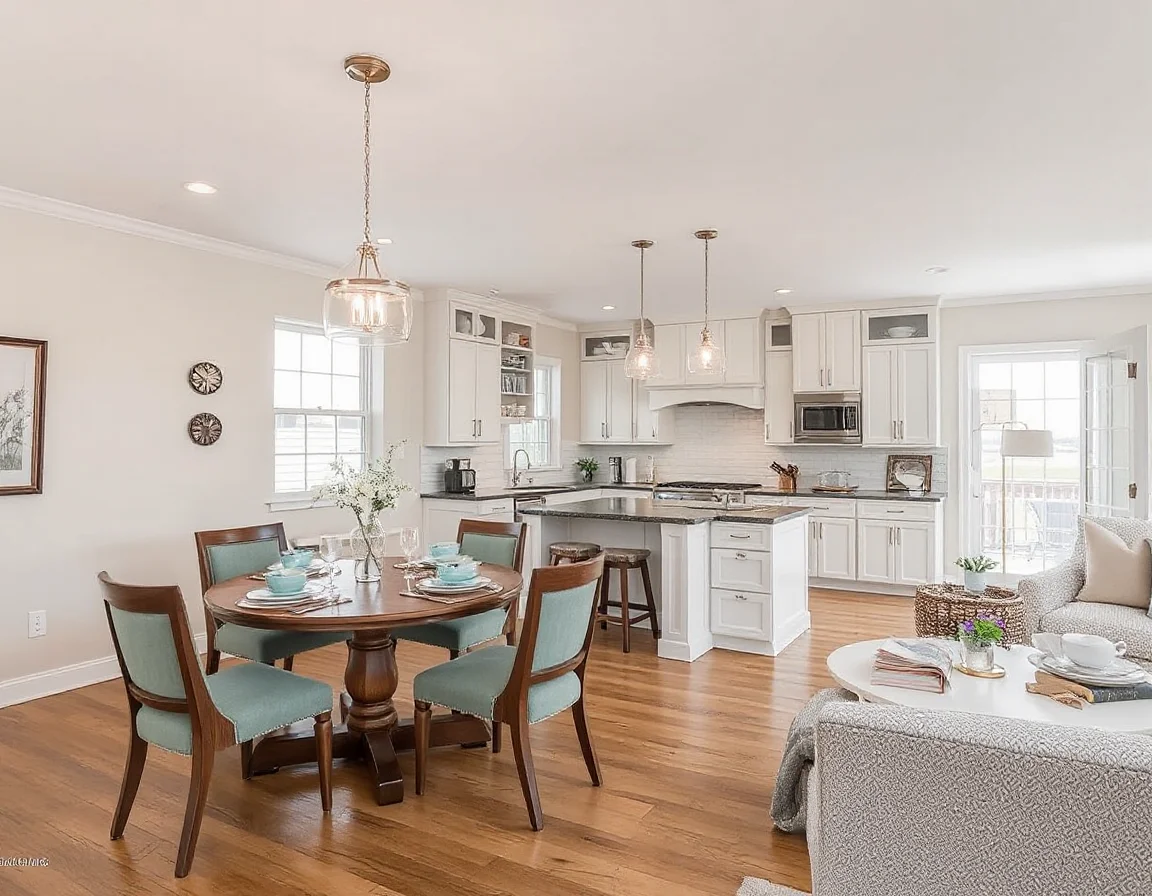
Appliances deserve a measured approach. Replacing a visibly failing appliance can be worthwhile, particularly when it affects the kitchen’s function or creates a mismatched appearance. However, an entire suite is not always necessary. If existing appliances are clean, operational, and coordinated, funds may be better directed toward lighting, surfaces, paint, or repairs. When purchasing replacements, stainless steel and other neutral finishes tend to blend easily with a variety of cabinet and countertop selections.
Newport’s humid coastal environment also makes material selection important. Moisture-resistant flooring, quality ventilation, rust-resistant hardware, and easy-to-clean backsplash materials can support long-term upkeep. If a kitchen has persistent humidity, plumbing leaks, soft flooring, or cabinet damage, resolving the source of the issue should come before cosmetic work. Buyers and inspectors tend to notice repairs that appear to cover an unresolved problem.
Before committing to a major remodel, address ventilation, water intrusion, electrical concerns, and worn flooring. Functional repairs protect the value of every cosmetic update that follows.
Choose a Style That Supports the Whole Home
Consistency matters. A highly modern kitchen can feel out of place in a home with traditional trim, warm wood flooring, and classic lighting, just as ornate cabinetry can feel disconnected in a streamlined newer property. Rather than trying to copy a showroom, use the home’s existing architecture as a guide. Simple shaker-style cabinets, uncluttered hardware, neutral paint, and restrained backsplash tile are adaptable choices that can work across many interior styles.
A backsplash is an opportunity to add finish and texture without taking over the room. A classic white or soft neutral tile, installed with careful grout lines and finished edges, can offer a clean backdrop. If color is used, keeping the pattern and palette intentional is usually more effective than introducing several competing focal points. The same principle applies to open shelving: it can look attractive when thoughtfully styled, but enclosed storage remains valuable for keeping everyday items out of sight during a sale.
Flooring should be evaluated from both the kitchen and adjacent rooms. If replacement is needed, select a durable material that transitions naturally into nearby spaces. Luxury vinyl plank, porcelain tile, engineered hardwood, and other options each have different maintenance needs, price points, and visual effects. Avoid installing a floor that is substantially more upscale than surrounding finishes unless a larger renovation plan creates a cohesive result throughout the home.
Review practical steps for selling a home
Plan the Scope Around Resale, Not Just Personal Taste
Before spending on upgrades, compare the kitchen to similar homes currently available or recently sold in the surrounding Newport area. The objective is to understand the level of finish buyers are likely to encounter at a comparable price point. A real estate professional can help identify which features are common, which gaps may affect buyer perception, and where improvements are unlikely to be fully reflected in the sale price.
It can help to separate the project into three categories: essential repairs, high-impact refreshes, and optional upgrades. Essential repairs include leaks, damaged flooring, broken drawers, inadequate ventilation, or unsafe electrical concerns. High-impact refreshes often include paint, hardware, lighting, faucets, countertops, and backsplash improvements. Optional upgrades may include reconfiguring walls, relocating plumbing, adding specialty appliances, or installing custom cabinetry. This framework keeps the budget focused on work that improves condition and presentation first.
- Prioritize condition: Repair visible damage and maintenance issues before selecting decorative finishes.
- Keep materials coordinated: Repeat compatible metal tones, paint colors, and surface finishes throughout the room.
- Protect work areas: Use durable counters, flooring, and hardware suited to daily use and local humidity.
- Document improvements: Save invoices, warranties, permits, and contractor information for future reference.
- Prepare for photos: Clear counters, remove refrigerator magnets, and use a few simple accessories to show usable workspace.
A successful kitchen upgrade is rarely about adding the most expensive product in every category. It is about presenting a room that feels functional, well maintained, and easy to understand at first glance. By balancing durable materials, thoughtful lighting, practical storage, and a design that fits the rest of the home, Newport sellers can create a kitchen that supports stronger listing presentation and helps buyers see the property’s potential from the moment they walk in.