


Emerald Isle housing decisions become clearer when inventory, pricing, and days on market are read together rather than as separate headlines. A changing number of available homes can affect negotiating room, while pricing and listing pace reveal how accurately each property meets current buyer demand. Use these signals to set realistic expectations before making an offer or preparing a home for sale.
Why Three Market Numbers Matter Together
Housing market updates often focus on one eye-catching statistic: a new listing total, a median price, or the number of days homes are taking to sell. In Emerald Isle, those figures are most useful when they are viewed as a connected story. Coastal properties can differ widely by location, water access, elevation, condition, rental history, lot characteristics, and proximity to the sound or ocean. That means the headline number is only the starting point.
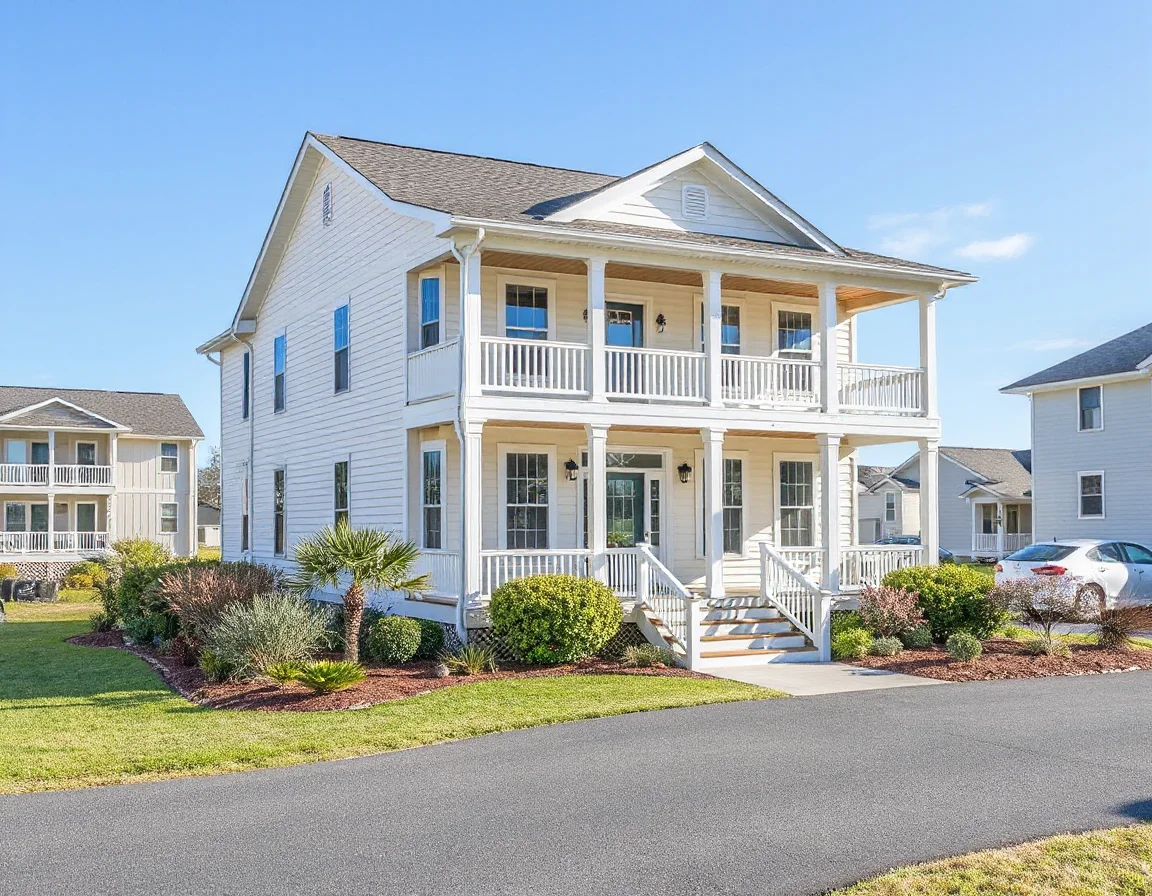
Inventory shows how many homes are actively competing for attention at a given time. More choices can give buyers additional opportunities to compare features and terms, while a limited selection can place more emphasis on preparation, timing, and a clean offer. Inventory is especially meaningful when it is broken down by property type and price range. A buyer looking at a condominium, for example, may be seeing a very different set of options than someone searching for a detached home with outdoor storage or water views.
Pricing adds the next layer. Median sale price can provide a broad reference point, but it does not establish the value of a particular property. Two homes with a similar number of bedrooms may have substantially different price positions because of renovation quality, flood zone, insurance considerations, outdoor living space, maintenance history, or whether furnishings and rental bookings are part of the transaction. Comparable recent sales and active competition are more useful than a single market-wide average.
Days on market measures pace, not necessarily quality. A home that sells quickly may have entered the market at a compelling price with polished presentation and few direct competitors. A home that takes longer may simply be waiting for the buyer whose needs align with its location and features. Looking at days on market alongside price changes and pending activity offers a more balanced picture.
The most practical comparison is usually not “the Emerald Isle market” as a whole, but the active and recently sold homes that match a property’s type, location, condition, and price range.
Reading Inventory Beyond the Listing Count
An increase in available listings does not automatically mean prices are falling, just as a smaller number of listings does not guarantee every property will receive multiple offers. Inventory works best as a measure of choice and competition. When more suitable homes are available, buyers can take additional time to assess maintenance, review association documents where applicable, compare insurance estimates, and understand each property’s ownership costs. When choices are limited, being organized before a desirable listing appears can make the process more efficient.
For sellers, inventory is a reminder to study the homes a prospective buyer will see on the same day. A listing does not compete with every property on the island; it competes most directly with similar homes that are available right now. Condition, photography, access for showings, accurate disclosures, and pricing discipline all shape how a home stands apart. A well-maintained home can still lose momentum if it is positioned far above close alternatives without a clear feature-based reason.
Seasonality can also affect the number of active homes and the pace of inquiry. Coastal real estate activity may shift with travel patterns, weather, school calendars, holidays, and the timing of rental schedules. Rather than treating a seasonal change as a permanent market direction, it is helpful to compare the current period with the same period in prior years and to watch what is actually going under contract.
How Pricing Creates a Market Position
Pricing is not a one-time decision made on launch day. It is a market position that should be supported by recent closed sales, current alternatives, and the property’s individual characteristics. In Emerald Isle, precise pricing often matters because buyers can compare properties across the island and throughout the surrounding coastal area. A home can be attractive, updated, and thoughtfully designed, yet still require a careful price strategy if nearby options deliver similar utility at a lower entry point.

Buyers can use list prices as an invitation to investigate, not as the final answer. Ask how a home compares with similar closed sales, whether there have been price adjustments, how long comparable properties have been available, and which features are reflected in the asking price. It is also wise to look beyond the purchase price to potential ongoing expenses such as insurance, association fees, utilities, maintenance, and property-specific improvements. A complete budget creates better decision-making than a list-price comparison alone.
Sellers benefit from distinguishing between improvements that strengthen marketability and improvements that automatically raise value dollar for dollar. Fresh paint, deferred-maintenance repairs, uncluttered rooms, and well-documented upgrades can make a listing easier to understand. But the strongest pricing strategy begins with evidence: recent sales, pending contracts, active competition, and an honest assessment of how the home presents today.
Price adjustments should be considered with context rather than emotion. If showings are strong but offers are not arriving, the market may be signaling a gap between interest and perceived value. If showings are limited, the issue could be price, presentation, access, or the way the property is being compared online. Reviewing feedback and new competing listings helps turn that signal into a practical next step.
What Days on Market Can Tell You
Days on market is often misunderstood as a scorecard. It is better viewed as a conversation starter. A newly listed home may deserve close attention because it has not yet been widely seen, but a longer-listed property can also be worth a careful look. Sometimes the listing has received a recent improvement, a price adjustment, refreshed photography, or more flexible terms. The important question is why the home has remained available and whether that reason affects your plans.
A quick sale can be a sign of alignment: the right price, strong presentation, convenient showings, and features that are currently in demand. It can also reflect a unique property with limited substitutes. Buyers should avoid assuming that every quickly moving home requires the same approach. A competitive offer should still account for condition, financing, inspection rights, appraisal considerations, and the buyer’s own priorities.
A property’s days on market become more meaningful when paired with its price history, showing activity, comparable sales, and any changes in the competing inventory since it was listed.
For sellers, early activity is valuable feedback. The first several weeks typically bring attention from buyers who have been watching for a suitable option. Strong traffic, repeat visits, and detailed questions can indicate that the listing is reaching the right audience. If the response is quieter than expected, reviewing the complete package promptly can preserve momentum. That may include evaluating price, photographs, property preparation, showing availability, and the accuracy of the listing details.
Putting the Numbers to Work
The best market decisions come from combining broad trends with property-specific research. Buyers can define a clear search range, review several comparable homes, and prepare financial documentation before a preferred option appears. Sellers can begin with a realistic comparative analysis, address visible maintenance items, and make it easy for prospective buyers to understand the home’s features and operating costs.
Emerald Isle offers a varied coastal housing landscape, from soundside settings and ocean-oriented properties to residences near parks, boating access, dining, and everyday services. That variety is exactly why local context matters. Inventory tells you what is available, pricing indicates how properties are positioned, and days on market reveal how quickly the market is responding. Read together, those three signals provide a more confident framework for your next move.