
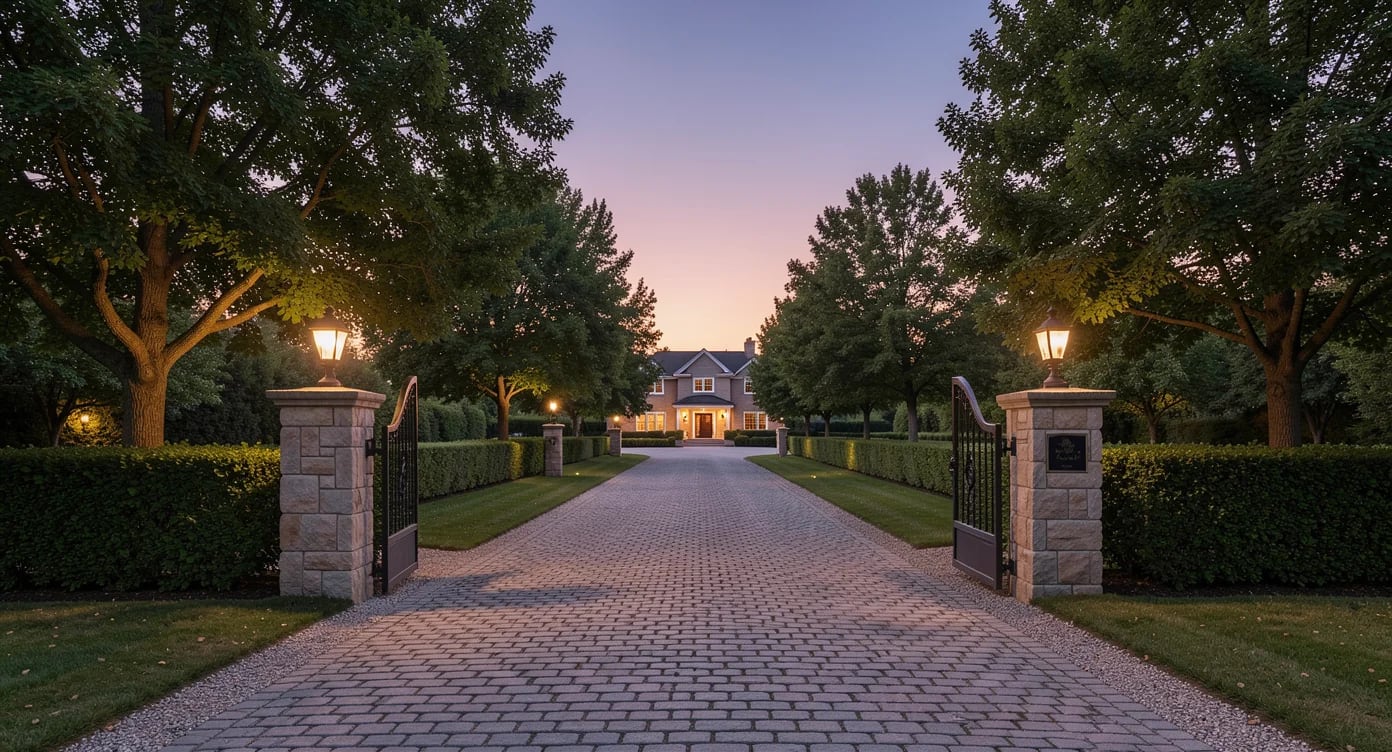
Buying your first home in Atlantic Beach starts with more than finding a place near the water. A realistic budget, early insurance research, and a clear understanding of North Carolina’s due diligence process can help you make informed decisions from your first showing through closing.
1. Build a budget for coastal ownership
Start with the monthly payment you are comfortable making, rather than the maximum a lender might approve. Along with principal and interest, account for property taxes, insurance, utilities, maintenance, and any homeowners association or condominium dues. Leave room in your savings for unexpected repairs after you move in.
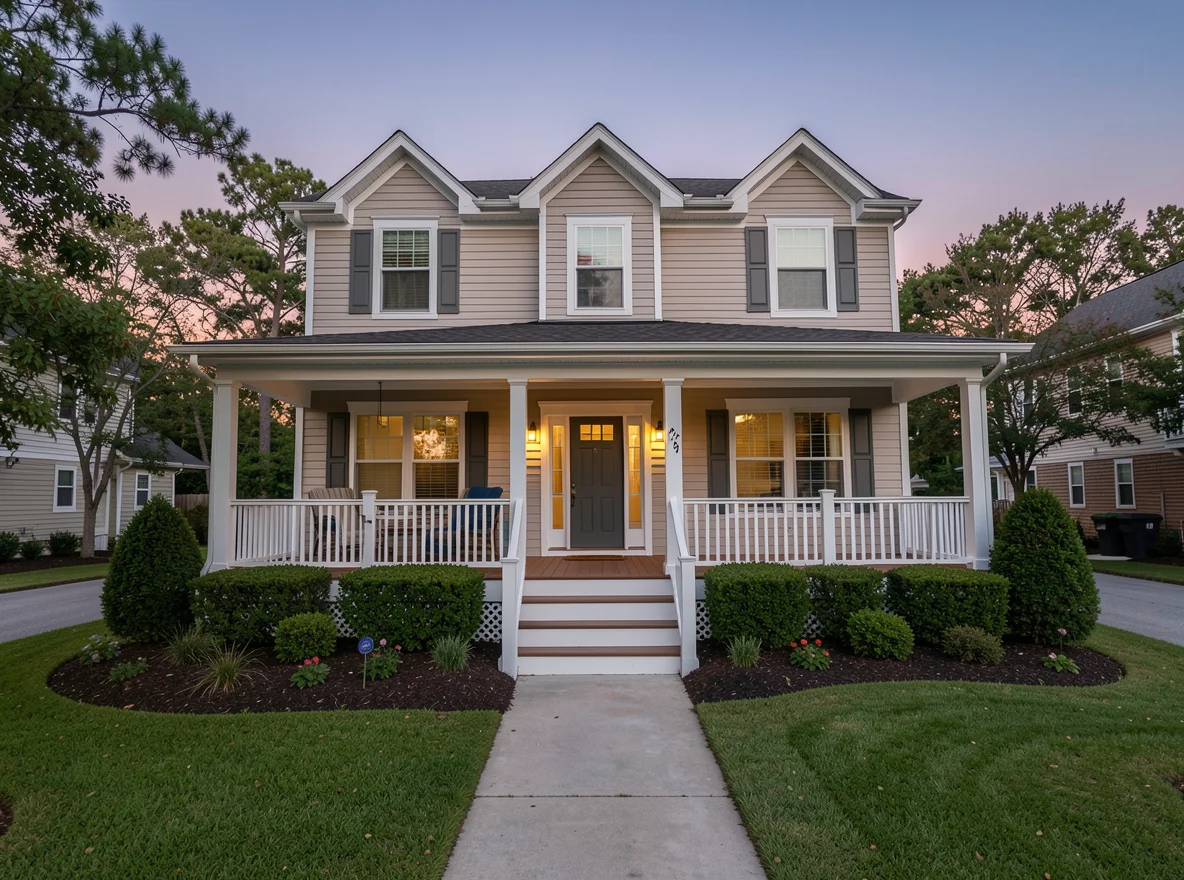
Coastal properties deserve an especially close look at insurance. Ask an insurance professional for property-specific estimates early, including homeowners coverage and any separate wind or flood coverage that may be needed. Requirements and premiums depend on the property, lender, policy, and other factors; proximity to water alone does not tell you the full story.
Request insurance estimates before committing to a home. A quote for the actual property can change how its monthly cost compares with another listing.
Also plan for upfront expenses beyond a down payment. These can include lender fees, inspections, an appraisal, attorney fees, prepaid insurance, and other closing costs. If you are considering a condo, ask about the association’s master insurance policy, what it covers, and what an individual owner must insure separately.
Finally, think about how you expect to use the property. A primary residence, second home, and potential rental may have different financing, insurance, and association considerations. Before assuming rental income can offset costs, verify any local rules, association restrictions, and lender requirements that apply.
2. Compare lenders and get preapproved
Talk with lenders before you begin touring seriously. A preapproval can help you understand your potential loan options and price range, although it is not a final loan commitment. Be prepared to discuss income, assets, debts, credit, and your intended use of the home.
Compare more than the advertised interest rate. Ask for estimates of lender fees, down payment requirements, mortgage insurance if applicable, and the cash needed to close. Different loan programs have different rules, so ask which options fit your circumstances and whether any assistance programs are available to you.
Once you have a working budget, avoid making major financial changes without checking with your lender. New debt, changes in employment, or large unexplained deposits can affect underwriting. Keep documents accessible and respond promptly when your lender requests updated information.
3. Define your search in Atlantic Beach
Make a short list of priorities before comparing homes: layout, outdoor space, parking, property type, and distance to the places you expect to visit regularly. Consider how often you want to be near beach access, dining, and other amenities, and whether you prefer the responsibilities of a detached home or an association-managed property.

As you review listings, compare the complete cost and condition of each property, not just its asking price. A lower-priced condo with substantial dues or an older home needing repairs may warrant a different calculation from a property with fewer immediate expenses. Available homes and asking prices change, so use current listings and recent comparable sales as a starting point for discussion with your agent.
Tour with a practical checklist. Look at storage, natural light, parking, outdoor maintenance, and signs of wear. Ask about the age of major systems and any known repairs, but remember that a showing is not a substitute for professional inspections. Visit at different times when possible to understand traffic, light, and the surroundings.
Search Atlantic Beach listings
For a condo or a home governed by an association, request the governing documents and financial information available to buyers. Review dues, reserve funding, maintenance responsibilities, pending assessments, and restrictions on pets, renovations, or rentals. Your agent and attorney can help you identify questions to ask before you proceed.
4. Make an offer with a plan for due diligence
When you find a home that fits, your agent can help you evaluate comparable properties and prepare an offer. Price matters, but so do the proposed closing date, financing arrangements, and other contract terms. Read the offer carefully and ask how each deadline and payment works before signing.
In North Carolina, a purchase contract commonly includes a negotiated due diligence period, a due diligence fee, and earnest money. These are distinct concepts. The due diligence fee is generally paid to the seller and is typically nonrefundable, while the treatment of earnest money depends on the contract and circumstances. Ask your agent and closing attorney to explain the terms of your specific agreement, including what happens if you decide not to proceed.
The due diligence deadline is a decision point, not just an inspection date. Schedule evaluations and review financing, insurance, and association documents early enough to act before it expires.
Arrange the inspections appropriate to the property. A general home inspection can identify concerns, while a specialist may be useful for issues involving the roof, HVAC, moisture, pests, or other systems. Discuss flood risk and drainage with qualified professionals, and verify the property’s flood zone and insurance requirements rather than relying on a listing description.
If inspections uncover issues, discuss your options and any repair request with your agent. A seller is not automatically required to agree to repairs. Your contract governs your choices and deadlines, so consult your attorney when you need legal advice.
5. Complete financing and prepare to close
After the offer is accepted, your lender will continue underwriting and may order an appraisal. An appraisal helps the lender assess the property’s value; it does not replace an inspection. If the appraisal or financing presents a problem, review your contract and options promptly with your agent, lender, and attorney.
In North Carolina, a closing attorney typically handles the title search, closing documents, and related legal work. Review your closing disclosure and ask questions about any figures you do not understand. Confirm the amount and approved method for transferring funds directly with a trusted contact using independently verified instructions; wire fraud is a real concern.
Before closing, arrange a final walkthrough to check the home’s condition and any agreed-upon repairs. Confirm when insurance coverage begins, plan for utilities, and keep copies of your inspection reports and closing documents. Your attorney can explain when the transaction is complete and when possession is delivered under your agreement.
Take the next step with clarity
A first purchase becomes more manageable when you tackle it in order: budget, financing, search, offer, due diligence, and closing. Hurst Realty can help you explore available Atlantic Beach homes and navigate the questions that come up along the way.