
Flood-zone research is one of the most practical steps a buyer can take before making an offer in New Bern. FEMA map designations, elevation information, insurance requirements, and a property’s individual history can all shape the true cost of ownership. A clear review early in the process helps turn a complicated subject into an informed decision.
Why Flood-Zone Research Matters in New Bern
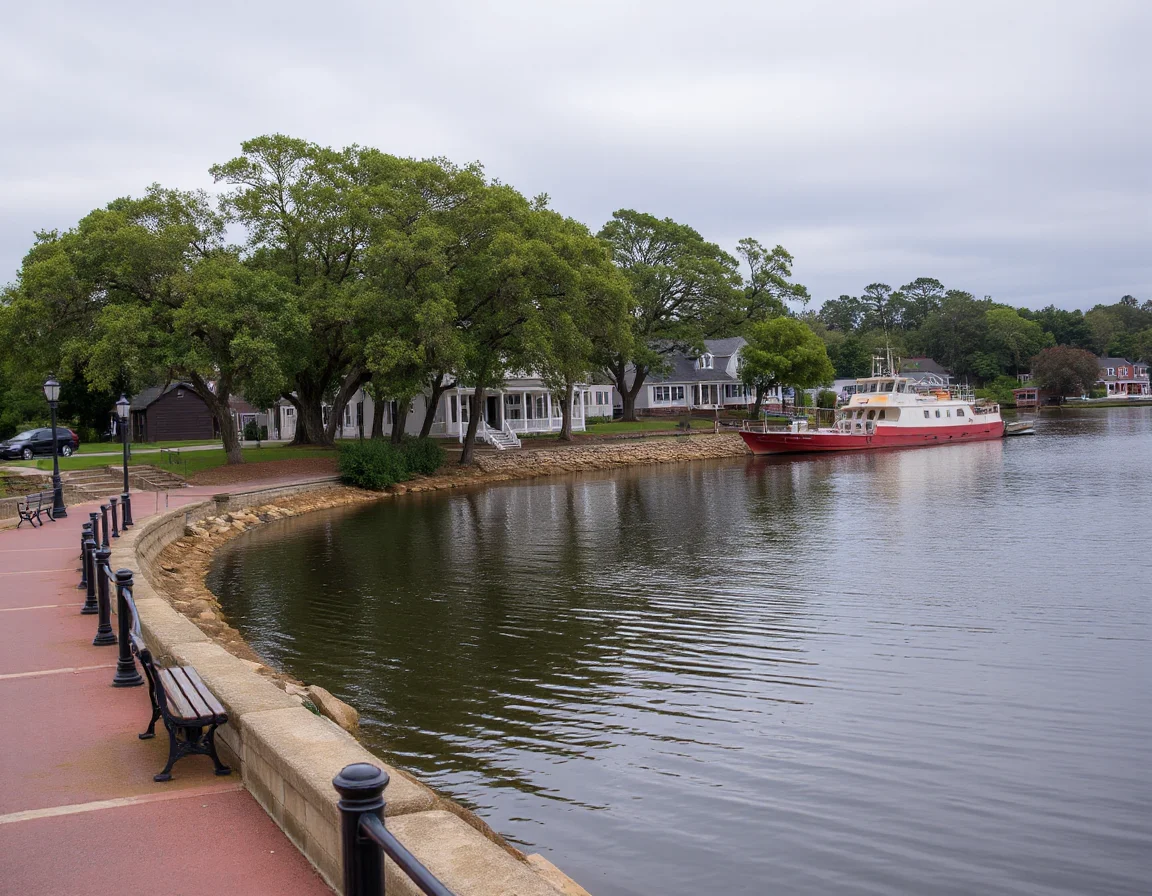
New Bern’s setting near the confluence of the Neuse and Trent rivers is a major part of its appeal, offering waterfront views, boating access, historic streets, and varied residential settings. That same coastal-river geography makes flood planning an important part of buying, selling, and maintaining property. Flood risk is not a simple yes-or-no question: it can be influenced by map zone, elevation, drainage, rainfall, storm surge, nearby waterways, and the design of the individual home.
For buyers, the goal is not to avoid every property with a flood-zone designation. Many homes in mapped flood areas are thoughtfully built, elevated, maintained, and insured. The goal is to understand the property’s circumstances well enough to compare homes accurately and budget responsibly. A home outside a mapped high-risk area can still experience water intrusion during an extreme event, while a home in a mapped zone may have features that meaningfully reduce exposure or insurance cost.
Flood-zone research also prevents surprises after contract. Lenders generally require flood insurance when a mortgaged property is located in a Special Flood Hazard Area, commonly identified on FEMA Flood Insurance Rate Maps. Cash buyers may not have a lender requirement, but reviewing available insurance options and flood history is still a sensible part of due diligence. Requirements, premiums, and underwriting details can change, so buyers should verify current information with an insurance professional rather than relying on an older listing description.
A FEMA map designation is a useful starting point, not a complete forecast. Pair the map with elevation information, insurance quotes, disclosures, and a close look at the home’s site conditions.
For sellers, preparation can make conversations more straightforward. Gathering an elevation certificate if one is available, prior insurance information, permits for repairs or elevation work, and records of drainage improvements can help purchasers evaluate the home with more confidence. Clear documentation does not replace buyer due diligence, but it can reduce uncertainty and keep negotiations focused on verified property details.
Start With FEMA Maps, Then Look Closer
FEMA flood maps identify areas according to estimated flood risk and are used for insurance and lending purposes. In everyday real estate conversations, buyers may hear terms such as “flood zone,” “AE,” “VE,” or “X zone.” These labels matter, but they should be interpreted carefully. They describe mapped conditions in a particular area and do not, by themselves, tell the whole story of how a specific structure sits on its lot.
A practical first step is to review the current FEMA Flood Map Service Center or consult the local floodplain administrator for the address. This can help identify the mapped zone and whether lender-required coverage may apply. Next, ask whether an elevation certificate exists. This document can show the building’s elevation in relation to the base flood elevation and may be useful for insurance rating, especially for homes in higher-risk mapped areas.
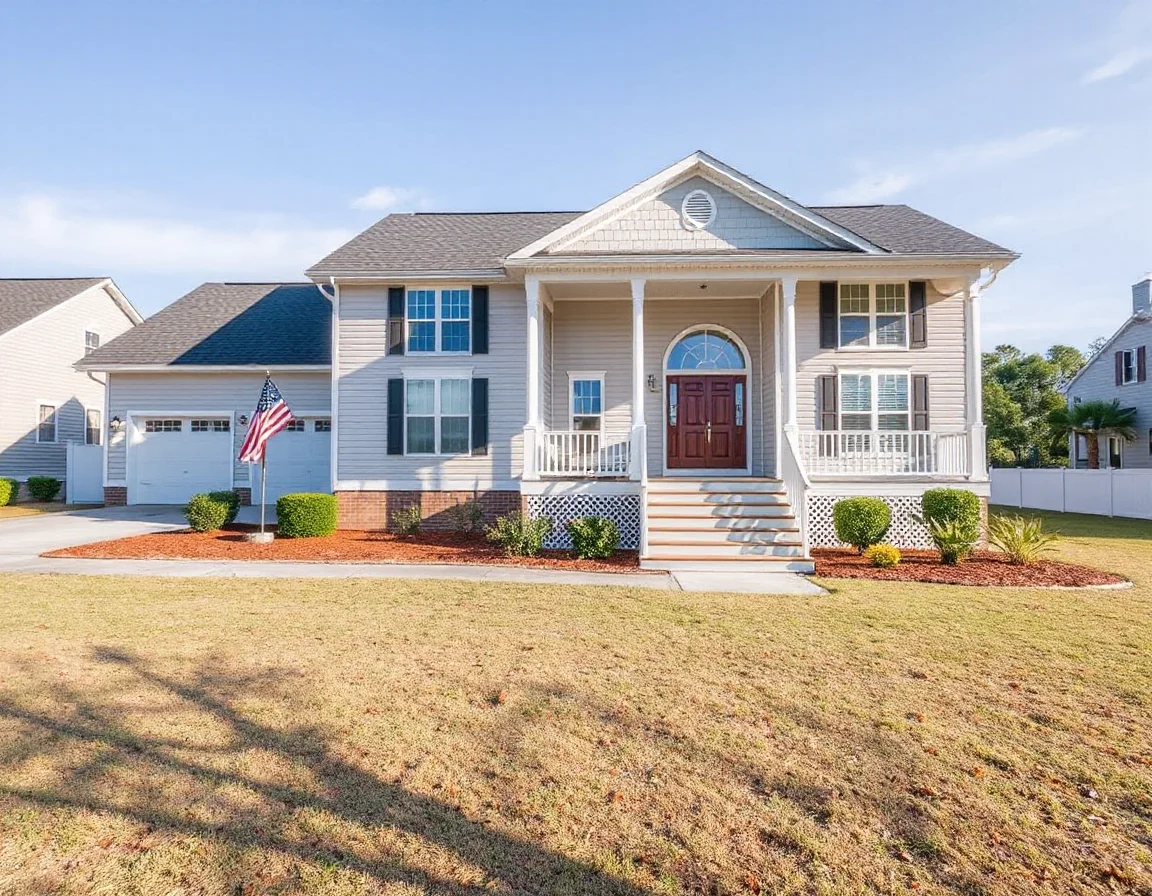
Pay attention to the property itself as well as the map. A raised foundation, venting, drainage swales, grading, sump systems, roof runoff management, and the location of mechanical equipment can all be relevant. During a showing, look for observable signs such as the height of the finished floor, the condition of crawlspace access, drainage around downspouts, and the placement of HVAC equipment or electrical components. A qualified inspector can provide further perspective during the inspection period.
It is also wise to ask the seller for any required disclosures and to review them closely. Buyers may want to ask about prior water intrusion, repairs following storms, insurance claims, and improvements made to the site or structure. Answers should be weighed alongside records, inspection findings, and professional advice. Flood history can be informative, but the absence of a known prior event is not a guarantee of future conditions.
Understand the Insurance Conversation Before You Offer
Insurance is often the part of flood-zone research that has the biggest effect on a purchase budget. Premiums can vary based on factors including the property’s location, foundation type, elevation, replacement cost, coverage choices, and current National Flood Insurance Program or private-market guidelines. Two homes on nearby streets may have very different insurance quotes, so estimates should always be tied to the specific address and coverage needs.
Before removing contingencies or finalizing a purchase, contact an insurance provider familiar with coastal North Carolina properties. Request a written estimate for the coverage you would consider carrying, and ask what documents may improve the accuracy of the quote. If the home has an elevation certificate, provide it. If there are questions about past claims or construction details, resolve them early rather than waiting until the final days before closing.
Insurance quotes are most useful when they are address-specific. A quick estimate based only on a neighborhood or ZIP code may miss the construction and elevation details that affect the actual premium.
Buyers should also include deductibles and possible out-of-pocket recovery costs in their planning. Flood insurance policies, homeowners policies, and wind-related coverage can have different terms and limitations. A lender, insurance professional, attorney, and real estate professional each play different roles in the process, and a coordinated review gives buyers a more complete picture of expected ownership costs.
Use the Inspection Period to Ask Better Questions
The inspection period is a valuable time to move from general research to property-specific evaluation. In addition to a standard home inspection, a buyer may choose to seek opinions from specialists when conditions warrant it. Depending on the home, that might include a foundation professional, drainage contractor, engineer, roofer, or HVAC technician. The right scope depends on the property’s visible conditions, age, location, and inspection findings.
Questions worth considering include: Where does surface water move during heavy rain? Are gutters and downspouts directing water away from the foundation? Is the crawlspace dry and adequately ventilated? Are there signs of prior repairs, moisture staining, or corrosion? Have outdoor improvements changed drainage patterns? These are not automatic signs of a problem; they are prompts for a careful, documented review.
Buyers comparing several homes can make the process easier by creating a simple worksheet for each address. Include the FEMA designation, elevation certificate status, annual insurance estimate, visible drainage observations, inspection notes, and any disclosed history. Looking at these details side by side helps keep decisions grounded in total ownership considerations rather than a single map label.
Confidence Comes From a Complete Picture
Flood-zone due diligence is not about predicting every future weather event. It is about understanding the available information, asking informed questions, and building a realistic plan for the property you choose. New Bern offers a wide range of homes, from historic residences near the city’s core to newer construction and river-adjacent properties, each with its own location-specific considerations.
Approach the process with curiosity, documentation, and qualified guidance. Review current maps, obtain insurance estimates early, use inspections thoughtfully, and keep records of the information gathered. With those steps in place, buyers and sellers can navigate flood-zone conversations with more clarity and make decisions based on the details that matter most for a particular home.