

Storm-ready improvements can help a Swansboro home handle wind-driven rain, manage water more effectively, and present a more confident maintenance story when it is time to sell. The strongest upgrade plan starts with the roofline and exterior openings, then works toward drainage, documentation, and regular seasonal care.
Start With the Home’s First Line of Defense
Coastal North Carolina weather asks a lot of every exterior. Heavy rain, strong gusts, salty air, humid summers, and seasonal storms can all expose small maintenance gaps long before they become obvious indoors. For Swansboro property owners, storm readiness is not only about preparing for a named storm; it is a practical approach to preserving the systems that keep water outside and a home operating well year-round.
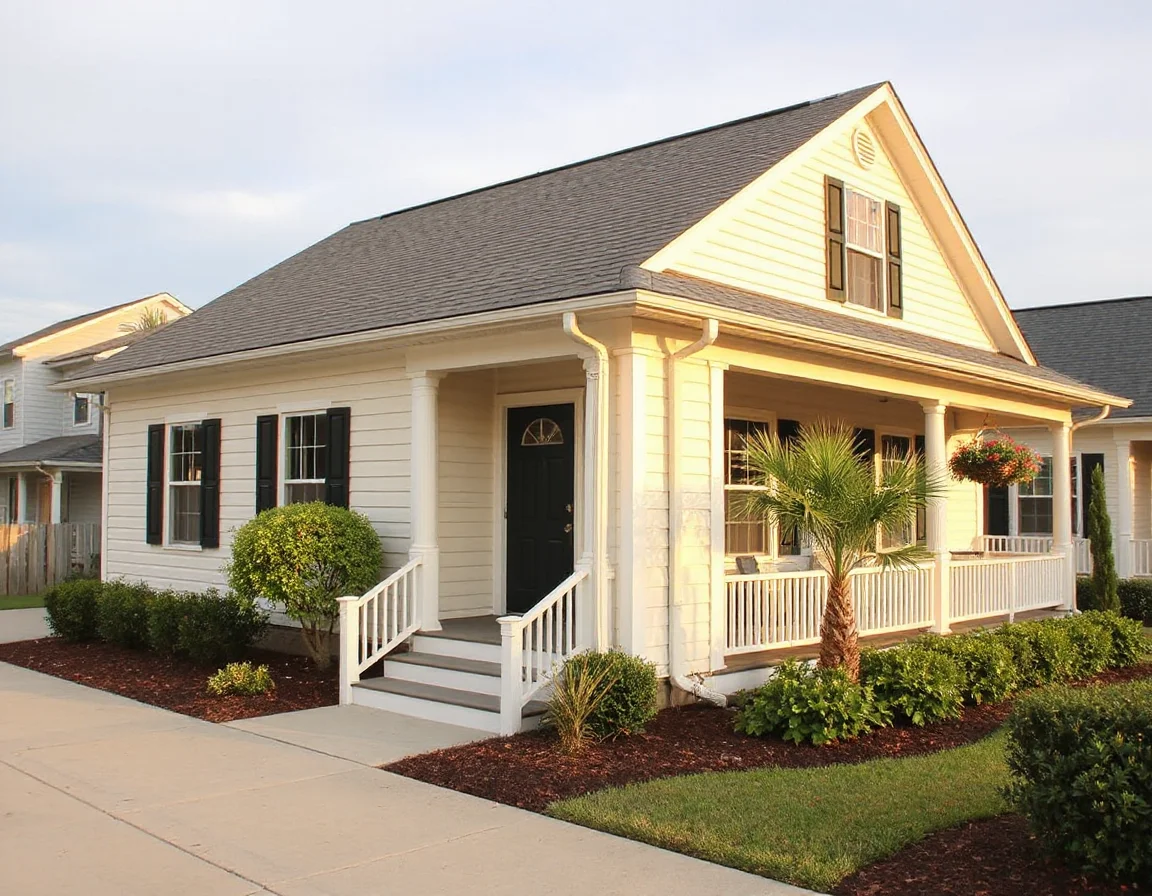
Begin at the top. A roof inspection can identify lifted shingles, worn flashing, deteriorated sealant around penetrations, and debris that may impede drainage. Gutters and downspouts deserve the same attention. They should be securely fastened, kept clear, and directed away from the foundation. If water repeatedly spills near exterior walls, the result can be erosion, moisture intrusion, or unnecessary wear on siding and trim.
Windows and exterior doors are another sensible priority. Check caulk joints, weatherstripping, door sweeps, locks, and the condition of surrounding trim. Replacing cracked sealant or a compressed door sweep is generally far simpler than addressing recurring moisture after it reaches interior finishes. When selecting replacement windows or doors, compare product ratings, installation requirements, warranty terms, and local permitting considerations rather than choosing solely on appearance.
A small maintenance file can add real clarity: save inspection notes, paid invoices, product warranties, and before-and-after photos as upgrades are completed.
For homes with storm panels or other protective opening systems, make sure components are labeled, stored in a dry location, and accompanied by installation hardware. A practice run on a calm day is useful; it allows owners to confirm the pieces fit and to replace missing fasteners before weather is approaching. The goal is not to overbuild every feature, but to understand what the property already has and keep those systems ready to perform.
Manage Water Around the Property
Water management often has one of the clearest connections to long-term exterior condition. Look at the yard during or shortly after a substantial rain. Note where water collects, whether mulch washes away, and whether downspouts discharge into a path that carries water back toward the house. These observations can guide targeted improvements without turning every project into a major renovation.
Regrading a localized low spot, extending a downspout, refreshing a shallow drainage swale, or choosing ground cover that helps hold soil in place can improve how water moves through the property. Any substantial grading, retaining, drainage, or shoreline-related work should be reviewed with qualified local professionals and the appropriate permitting authorities. Coastal conditions can make site-specific advice especially important.
Landscaping also benefits from a storm-minded approach. Keep tree limbs pruned away from the roof and utility lines where appropriate, remove dead or damaged branches, and inspect mature trees periodically for visible concerns. Secure loose landscape elements and review fencing, gates, storage structures, and outdoor equipment for worn connections. These steps are as much about ordinary upkeep as they are about storm preparation.
Inside the home, consider the supporting systems that are easy to overlook. A properly maintained HVAC system, clear condensate drain, functioning sump equipment where installed, and accessible water shutoff can all make a difference when weather is unsettled. Test smoke and carbon monoxide alarms on a regular schedule, replace batteries as needed, and keep a basic record of service dates for major systems.
For electrical resilience, consult a licensed electrician before adding a transfer switch, generator connection, surge protection, or battery backup equipment. These installations need to match the home’s electrical capacity and local code requirements. A professional assessment can help owners decide which loads are most useful to support during an outage, such as refrigeration, selected lighting, communications equipment, or a well pump where applicable.
The best drainage improvement is often the one that solves a specific observed problem—where water lands, where it pools, and how it exits the lot after a hard rain.
Choose Upgrades With Both Performance and Presentation in Mind
Not every storm-ready project has the same payoff for every property. A newer roof may matter most on one home, while another may benefit more from repaired trim, improved grading, updated exterior lighting, or a cleaner and more secure outdoor storage setup. The right sequence depends on age, existing condition, budget, and any issues identified in inspections or regular maintenance.
When planning larger projects, ask contractors to explain materials, installation methods, maintenance needs, and expected service life in plain language. Obtain written scopes of work and confirm whether permits or inspections may be needed. It is also wise to verify insurance coverage and licensing where applicable. Clear paperwork supports better decision-making now and gives future buyers a more complete picture of the care invested in the home.
A thoughtful exterior can communicate stewardship before anyone steps through the door. Clean rooflines, maintained caulk, secure gutters, neatly managed vegetation, and well-kept outdoor surfaces all contribute to that impression. These details do not replace a formal inspection, but they can demonstrate a consistent pattern of upkeep and make it easier for prospective buyers to understand the home’s condition.
Build a Seasonal Storm-Readiness Routine
Reliable preparation is easier when it becomes a calendar habit. Before the more active storm months, walk the exterior, clear roof drainage, check window and door seals, inspect outdoor furniture and equipment, and review your emergency supplies. After major weather, repeat the walk-through and document anything unusual with dated photos. Prompt attention to a minor issue can help prevent a more expensive repair later.
Keep important property records together, including insurance information, contractor contacts, photos of major systems, and receipts for upgrades. Review your insurance policy directly with an insurance professional so you understand deductibles, coverage limits, and any separate flood-related considerations that may apply. Coverage choices are individual, and a conversation before a loss is far easier than sorting through documents afterward.
Storm readiness is ultimately a value-preservation practice: observe the property, maintain what is already working, improve weak points deliberately, and retain records of the work. In a coastal setting like Swansboro, those practical habits can support day-to-day comfort, reduce avoidable wear, and help a home tell a well-cared-for story when the time comes to make a move.